

-
-
-
Solution

-
-
Contact Us
Car Lining Non-Woven Fabric: A Sustainable Choice for Eco-Friendly Vehicles
Car Lining Non-Woven Fabric: A Sustainable Choice for Eco-Friendly Vehicles
Table of Contents
- Introduction to Non-Woven Fabric in Automotive Industry
- What is Non-Woven Fabric?
- Benefits of Non-Woven Fabric for Car Lining
- Applications of Non-Woven Fabric in Vehicles
- Sustainability and Eco-Friendly Initiatives
- Case Studies of Eco-Friendly Vehicles Using Non-Woven Fabric
- The Future of Non-Woven Fabric in the Automotive Industry
- FAQs
- Conclusion
Introduction to Non-Woven Fabric in Automotive Industry
The automotive industry is undergoing a transformative phase, with an increasing emphasis on sustainability. One significant innovation driving this change is car lining non-woven fabric. This technology not only enhances vehicle aesthetics but also aligns with environmental goals. Unlike traditional materials, non-woven fabrics are manufactured from synthetic fibers, offering a versatile and effective solution for both eco-conscious manufacturers and consumers.
What is Non-Woven Fabric?
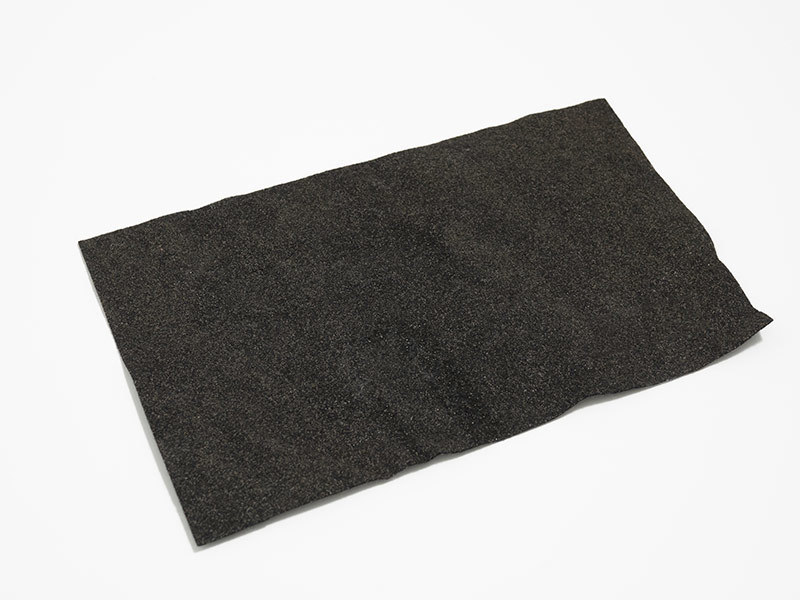
Non-woven fabric is a textile material made from fibers that are bonded together through various processes, including mechanical, thermal, or chemical treatments. Unlike woven fabrics, which are made by interlacing yarns, non-woven fabrics are created directly from fibers. This unique production method allows for a wide range of applications, particularly in the automotive sector.
Types of Non-Woven Fabric
There are several types of non-woven fabrics, categorized based on their manufacturing methods and fiber compositions. The most common types include:
- **Spunbond Non-Woven Fabric**: Made by spinning fibers and bonding them through heat and pressure, this type is known for its strength and durability.
- **Meltblown Non-Woven Fabric**: Produced by extruding molten polymer into fine fibers, creating a soft and absorbent material that is often used for filtration applications.
- **Needle-Punched Non-Woven Fabric**: Created by mechanically entangling fibers using barbed needles, it offers excellent texture and rigidity.
Each type plays a crucial role in automotive applications, particularly as car manufacturers seek sustainable materials.
Benefits of Non-Woven Fabric for Car Lining
The choice of non-woven fabric for car lining is driven by numerous advantages, making it a favorable option for both consumers and manufacturers.
Environmental Benefits
Adopting non-woven fabric in vehicle interiors offers significant **environmental advantages**:
- **Recyclability**: Many non-woven fabrics can be recycled, reducing waste and promoting a circular economy.
- **Reduced Carbon Footprint**: The production process typically consumes less energy and water compared to traditional textile manufacturing.
- **Sustainable Sourcing**: Many non-woven fabrics are made from recycled materials, thereby minimizing the demand for virgin resources.
Performance Advantages
In addition to its environmental merits, non-woven fabric presents notable **performance benefits**:
- **Lightweight**: Non-woven fabrics are lighter than traditional materials, contributing to improved fuel efficiency.
- **Sound Absorption**: These fabrics effectively dampen sound, enhancing passenger comfort.
- **Durability**: The robust nature of non-woven textiles ensures longevity and resistance to wear and tear.
Applications of Non-Woven Fabric in Vehicles
Non-woven fabric finds diverse applications in the automotive industry, significantly enhancing vehicle performance and aesthetics.
Interior Lining
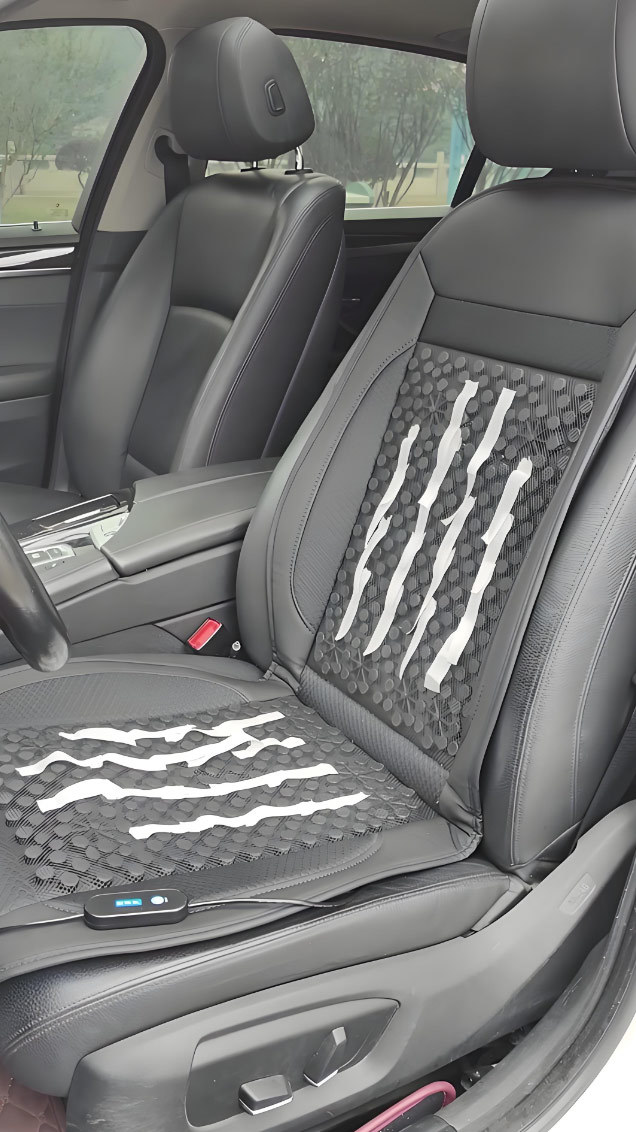
Car lining non-woven fabric is a popular choice for interior applications. It is used in door panels, headliners, and seat covers, providing a soft touch while maintaining structural integrity. The ability to customize colors and textures makes it an attractive option for car manufacturers seeking to create unique designs.
Sound Insulation
Non-woven fabrics excel in sound insulation, helping to create a quieter cabin environment. By reducing road noise and vibrations, these materials enhance the overall driving experience, making them ideal for luxury vehicles.
Thermal Management
Non-woven fabrics play a pivotal role in thermal management within vehicles. They help regulate temperature by providing insulation, thus improving energy efficiency and comfort for passengers. This is particularly important in electric vehicles, where battery temperature control is critical.
Sustainability and Eco-Friendly Initiatives
The automotive industry is increasingly focusing on sustainability as a core value. Non-woven fabric aligns with this initiative by offering eco-friendly alternatives that reduce environmental impact. Manufacturers are now prioritizing materials that support green initiatives, and non-woven fabrics fit the bill perfectly.
Case Studies of Eco-Friendly Vehicles Using Non-Woven Fabric
Several manufacturers are incorporating non-woven fabrics into their eco-friendly vehicle designs. For instance, companies like Tesla and BMW have begun utilizing these materials to enhance sustainability while maintaining performance standards. Case studies highlight how these manufacturers successfully integrated non-woven fabric into their vehicles, showcasing the material’s versatility and eco-friendliness.
The Future of Non-Woven Fabric in the Automotive Industry
As the automotive sector moves towards a more sustainable future, non-woven fabric is poised to play an increasingly vital role. Innovations in manufacturing processes and material sourcing will continue to shape the landscape, allowing for more eco-friendly options. The demand for lightweight and durable materials will drive further research and development, ensuring non-woven fabrics remain a key component of vehicle design.
FAQs
1. What are the primary advantages of using non-woven fabric in car interiors?
Non-woven fabrics offer numerous advantages, including lightweight properties, sound insulation, durability, and recyclability, making them an excellent choice for car interiors.
2. How do non-woven fabrics contribute to sustainability in the automotive industry?
Non-woven fabrics help reduce the carbon footprint associated with vehicle production, are often made from recycled materials, and can be recycled after use, promoting a circular economy.
3. Are non-woven fabrics more expensive than traditional fabrics?
While initial costs may vary, non-woven fabrics often provide long-term savings due to their durability and low maintenance needs.
4. Can non-woven fabrics be customized for different vehicle models?
Yes, non-woven fabrics can be easily customized in terms of color, texture, and design, making them suitable for a variety of vehicle models and styles.
5. What is the future of non-woven fabric in the automotive industry?
The future is bright for non-woven fabrics, with ongoing innovations in manufacturing processes and materials that will continue to enhance their use in eco-friendly vehicles.
Conclusion
Car lining non-woven fabric represents a remarkable advancement in the quest for sustainability within the automotive industry. With its array of benefits, from environmental impact to performance enhancements, non-woven fabric stands out as a smart choice for manufacturers and consumers alike. As we drive toward a greener future, adopting these innovative materials will be pivotal in shaping the next generation of eco-friendly vehicles.
Tag:
Recommended news
Unlocking the Potential of Non-Woven Customization in Textile Industry
The realm of non-woven customization presents an array of opportunities for professionals in the textile industry. Non-woven fabrics, unlike traditional woven textiles, are made by bonding fibers together through mechanical, thermal, or chemical means. This unique manufacturing process allows for a myriad of customized solutions that can cater to specific needs across various applications.
One of
Contact Information
Postcode:211400
Address:Tian'an Village, Xinji Town, Yizheng City


QR code
QR
TikTok