

-
-
-
Solution

-
-
Contact Us
Understanding Car Seat Heating Pad Substrates: A Guide to Comfort and Functionality
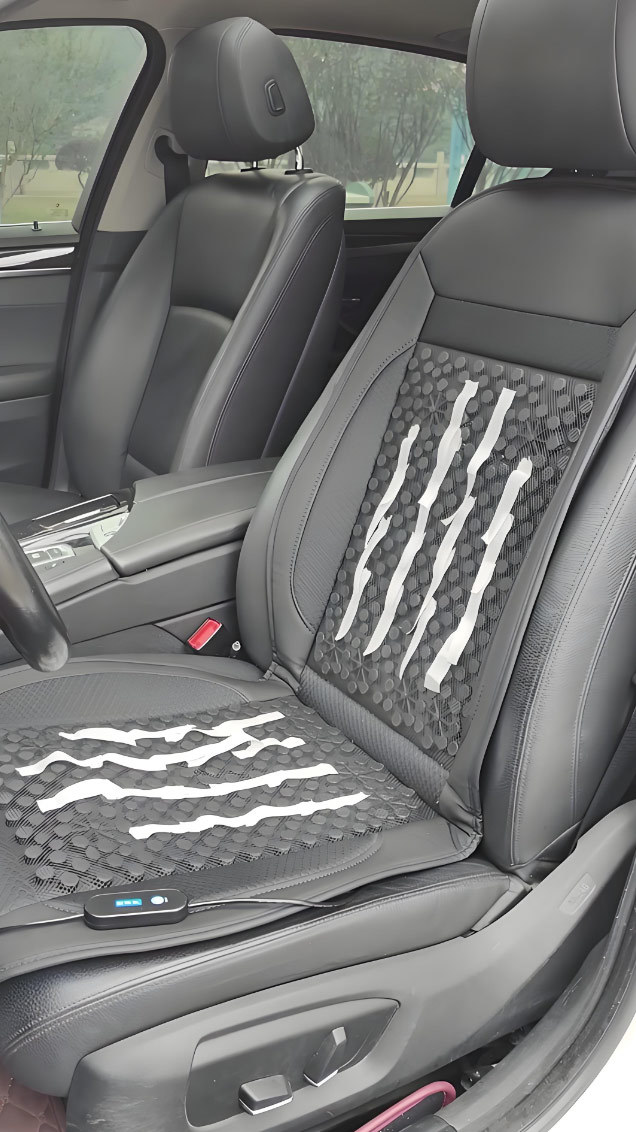
Car seat heating pads have become increasingly popular for those seeking added comfort during their drives, especially in colder climates. At the heart of these innovative heating elements is the substrate, a crucial component that plays a significant role in the performance and durability of the heating pad. Understanding the materials and characteristics of car seat heating pad substrates can help users make informed decisions when selecting heating solutions for their vehicles.
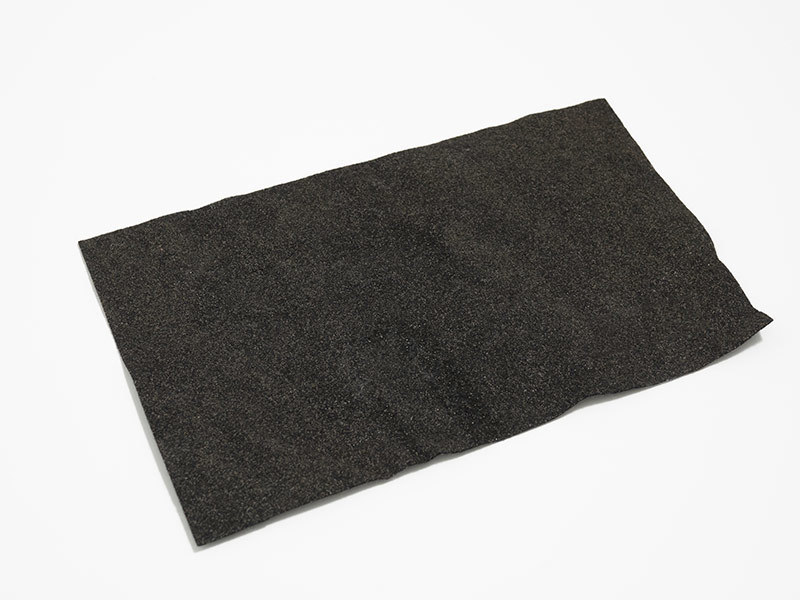
The substrate in a car seat heating pad serves multiple purposes. Primarily, it acts as a base that supports the heating elements, ensuring even distribution of heat across the surface of the seat. This uniform heat distribution is vital for maximizing comfort and preventing any hot spots that could lead to discomfort during use. Common materials used for heating pad substrates include non-woven fabrics, which are favored for their lightweight, breathable, and flexible properties.
Non-woven substrates are particularly advantageous in car seat heating pads due to their ability to withstand high temperatures without compromising integrity. Additionally, these materials can be engineered for moisture resistance, which is essential for maintaining performance in varying environmental conditions. The combination of low thermal conductivity and high durability makes non-woven fabrics an ideal choice for automotive applications.
In terms of safety, the substrate must be able to handle the electrical components safely and effectively. High-quality substrates are designed to be non-flammable and resistant to wear and tear, ensuring that they can endure the rigors of daily use while providing reliable heating. Moreover, the use of non-toxic and environmentally friendly materials is increasingly prioritized, aligning with modern consumers' preferences for sustainability.
When considering a car seat heating pad, it's crucial to evaluate the substrate's compatibility with the vehicle's interior and the user's specific needs. For instance, those who frequently utilize heating pads during long commutes may benefit from substrates that offer quick heat-up times and consistent temperature control. Additionally, considering factors like ease of installation and maintenance can further enhance user experience.
In summary, the choice of car seat heating pad substrate is a vital aspect that can influence overall comfort, safety, and functionality. By opting for high-quality non-woven fabrics, users can enjoy efficient heat distribution and long-lasting performance, making each journey a more pleasant experience. As technology continues to evolve, the future of car seat heating pads looks promising, with innovations in substrate materials paving the way for even greater comfort and convenience in automotive heating solutions.
The substrate in a car seat heating pad serves multiple purposes. Primarily, it acts as a base that supports the heating elements, ensuring even distribution of heat across the surface of the seat. This uniform heat distribution is vital for maximizing comfort and preventing any hot spots that could lead to discomfort during use. Common materials used for heating pad substrates include non-woven fabrics, which are favored for their lightweight, breathable, and flexible properties.
Non-woven substrates are particularly advantageous in car seat heating pads due to their ability to withstand high temperatures without compromising integrity. Additionally, these materials can be engineered for moisture resistance, which is essential for maintaining performance in varying environmental conditions. The combination of low thermal conductivity and high durability makes non-woven fabrics an ideal choice for automotive applications.
In terms of safety, the substrate must be able to handle the electrical components safely and effectively. High-quality substrates are designed to be non-flammable and resistant to wear and tear, ensuring that they can endure the rigors of daily use while providing reliable heating. Moreover, the use of non-toxic and environmentally friendly materials is increasingly prioritized, aligning with modern consumers' preferences for sustainability.
When considering a car seat heating pad, it's crucial to evaluate the substrate's compatibility with the vehicle's interior and the user's specific needs. For instance, those who frequently utilize heating pads during long commutes may benefit from substrates that offer quick heat-up times and consistent temperature control. Additionally, considering factors like ease of installation and maintenance can further enhance user experience.
In summary, the choice of car seat heating pad substrate is a vital aspect that can influence overall comfort, safety, and functionality. By opting for high-quality non-woven fabrics, users can enjoy efficient heat distribution and long-lasting performance, making each journey a more pleasant experience. As technology continues to evolve, the future of car seat heating pads looks promising, with innovations in substrate materials paving the way for even greater comfort and convenience in automotive heating solutions.
Tag:
Previous page
Recommended news
Unlocking the Potential of Non-Woven Customization in Textile Industry
The realm of non-woven customization presents an array of opportunities for professionals in the textile industry. Non-woven fabrics, unlike traditional woven textiles, are made by bonding fibers together through mechanical, thermal, or chemical means. This unique manufacturing process allows for a myriad of customized solutions that can cater to specific needs across various applications.
One of
Contact Information
Postcode:211400
Address:Tian'an Village, Xinji Town, Yizheng City


QR code
QR
TikTok