

-
-
-
Solution

-
-
Contact Us
The Role of Car Roof Non-Woven Fabric in Noise Reduction
The Role of Car Roof Non-Woven Fabric in Noise Reduction
Introduction to Non-Woven Fabrics in Automotive Applications
The automotive industry is constantly evolving, and one of the pivotal advancements is the use of **non-woven fabrics**. These materials have gained traction due to their versatility and effectiveness in various applications. In particular, car roof non-woven fabric has emerged as a key player in enhancing passenger comfort by minimizing noise. This article delves into the critical role of non-woven fabric in noise reduction, focusing on its properties, benefits, and applications in modern vehicles.
Understanding Non-Woven Fabric: What Makes It Special?
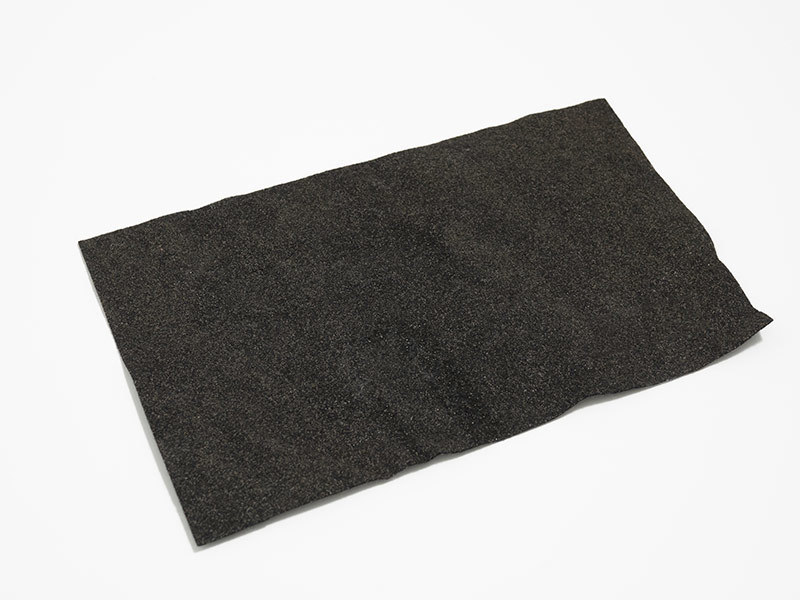
Non-woven fabrics are engineered materials made by bonding fibers together through various methods, such as heat, chemicals, or mechanical processes. Unlike woven fabrics, which are made by intertwining threads, non-woven fabrics boast a unique structure that allows them to perform specific functions effectively.
The Composition of Non-Woven Fabric
The composition of non-woven fabrics can vary widely, but commonly includes polyester, polypropylene, cotton, or a blend of different fibers. The choice of materials influences the fabric's properties, such as durability, weight, and sound-absorption capabilities. These fabrics can be produced in various thicknesses, allowing manufacturers to tailor them for various applications in the automobile industry.
Noise Reduction Mechanisms of Non-Woven Fabrics
One of the primary functions of car roof non-woven fabric is its ability to dampen sound. This is achieved through several mechanisms:
- **Sound Absorption**: Non-woven fabrics have pores and voids that trap sound waves, converting acoustic energy into heat and effectively reducing noise levels within the vehicle cabin.
- **Vibration Damping**: The fibrous structure of non-woven fabrics helps in absorbing vibrations caused by road irregularities, engine noise, and other sources, thereby minimizing the transmission of sound.
- **Barrier Properties**: When used in conjunction with other materials, non-woven fabrics can act as a barrier, preventing sound from entering or leaving the vehicle.
The Importance of Noise Reduction in Vehicles
Reducing noise levels within vehicles is more than just a luxury; it significantly enhances the driving experience. A quieter cabin allows passengers to converse without raising their voices, listen to music more clearly, and enjoy a sense of calm during travel. Furthermore, excessive noise can lead to driver fatigue, impacting safety.
Health Implications of Noise Pollution
Prolonged exposure to high noise levels can have detrimental effects on health, including stress, irritation, and even cardiovascular issues. By incorporating effective noise-reduction materials like non-woven fabrics, manufacturers contribute not only to comfort but also to the overall well-being of passengers.
Benefits of Using Non-Woven Fabric for Noise Reduction
The integration of non-woven fabrics in automotive design offers numerous advantages:
1. Enhanced Comfort
The most apparent benefit is the improvement in passenger comfort. By effectively reducing noise, non-woven fabrics create a more serene environment, making long journeys more enjoyable.
2. Lightweight Alternative
Non-woven fabrics are typically lighter than traditional soundproofing materials, contributing to improved fuel efficiency. Reducing vehicle weight is a critical consideration for manufacturers aiming to meet stringent fuel economy standards.
3. Cost-Effectiveness
Given their manufacturing processes, non-woven fabrics can be produced more economically than other materials. This cost-efficiency can translate to savings for both manufacturers and consumers.
4. Versatility in Design
Non-woven fabrics can be easily molded, cut, and shaped to fit various areas of the vehicle, allowing for innovative designs that maximize noise reduction without compromising aesthetics.
Applications of Non-Woven Fabric in Automotive Interiors
Non-woven fabrics find extensive utilization in various parts of a vehicle, particularly in the following areas:
1. Roof Liners
The roof is one of the primary areas where non-woven fabric is employed for noise reduction. It acts as a barrier against external noise and vibrations, creating a more peaceful cabin ambiance.
2. Door Panels
Incorporating non-woven fabric in door panels helps to mitigate noise entering from the outside, enhancing the overall acoustic performance of the vehicle.
3. Floor Mats
Non-woven fabrics are also used in floor mats to absorb sound reverberating from the road, further contributing to a quieter ride.
4. Interior Trims
Various interior trims can benefit from non-woven fabrics, which provide not only sound insulation but also aesthetic appeal.
5. Acoustic Blankets
Acoustic blankets made from non-woven materials are often placed around engines and other noise-producing components to minimize sound transmission.
Innovations in Non-Woven Fabric Technology
The development of non-woven fabrics is continuing to advance, with innovations aimed at enhancing their properties for automotive applications:
1. Eco-Friendly Materials
With growing environmental concerns, manufacturers are exploring biodegradable and recycled fibers for non-woven fabrics, reducing their ecological impact.
2. Nanotechnology Integration
The incorporation of nanotechnology can enhance the sound-absorbing properties of non-woven fabrics, making them even more effective in noise reduction.
3. Customizable Solutions
Advanced manufacturing techniques allow for the production of customizable non-woven fabrics tailored to specific vehicle models and noise reduction requirements.
Challenges and Considerations in Non-Woven Fabric Usage
While the benefits of non-woven fabrics are substantial, there are also challenges to consider:
1. Durability and Wear Resistance
Non-woven fabrics must withstand the rigors of automotive environments, including exposure to moisture, temperature variations, and physical wear. Manufacturers need to ensure that their products maintain performance over time.
2. Noise Reduction Standards
Meeting industry standards for noise reduction can be challenging, as different vehicles have varying requirements based on design and intended use.
3. Market Competition
As technology progresses, manufacturers face increasing competition from alternative materials and methods, necessitating continuous innovation and improvement in non-woven fabric applications.
Future Trends in Automotive Noise Reduction
As the automotive industry shifts towards electric vehicles and advanced driver-assistance systems (ADAS), noise reduction will become even more critical. The following trends are likely to shape the future of automotive noise management:
1. Integration with Smart Technology
With the advent of smart vehicles, non-woven fabrics may be integrated with sensors that monitor sound levels and adjust acoustic treatments accordingly.
2. Lightweighting Strategies
The ongoing push for reduced vehicle weight will drive innovation in non-woven fabric technology, leading to even more effective materials for noise reduction.
3. Sustainable Practices
As sustainability becomes a priority, the use of eco-friendly non-woven fabrics is expected to rise, aligning with broader industry goals for environmentally responsible manufacturing.
FAQs About Car Roof Non-Woven Fabric and Noise Reduction
1. What is non-woven fabric, and why is it used in cars?
Non-woven fabric is a type of material made by bonding fibers together. It is used in cars primarily for its sound absorption properties, enhancing cabin comfort by reducing noise levels.
2. How does non-woven fabric help in noise reduction?
Non-woven fabric reduces noise through sound absorption, vibration damping, and serving as a barrier to sound waves, making it effective in creating a quieter driving experience.
3. Are non-woven fabrics durable in automotive applications?
While non-woven fabrics are generally durable, their longevity can depend on factors like exposure to moisture and temperature changes. Proper selection and treatment can enhance their durability.
4. Can non-woven fabrics be recycled?
Many non-woven fabrics can be made from recycled materials and are themselves recyclable, contributing to a more sustainable automotive manufacturing process.
5. What are the cost implications of using non-woven fabric for noise reduction?
Non-woven fabrics are typically cost-effective compared to traditional soundproofing materials, providing a budget-friendly solution for manufacturers aiming to improve vehicle acoustics.
Conclusion
Incorporating car roof non-woven fabric plays a vital role in noise reduction, enhancing the overall driving experience and contributing to passenger well-being. With its unique properties, cost-effectiveness, and versatility, non-woven fabric will continue to be a cornerstone in automotive design. As technology advances and the industry evolves, we anticipate further innovations that will enhance the performance of these materials, driving the future of quieter and more comfortable vehicles.
Tag:
Recommended news
Unlocking the Potential of Non-Woven Customization in Textile Industry
The realm of non-woven customization presents an array of opportunities for professionals in the textile industry. Non-woven fabrics, unlike traditional woven textiles, are made by bonding fibers together through mechanical, thermal, or chemical means. This unique manufacturing process allows for a myriad of customized solutions that can cater to specific needs across various applications.
One of
Contact Information
Postcode:211400
Address:Tian'an Village, Xinji Town, Yizheng City


QR code
QR
TikTok