

-
-
-
Solution

-
-
Contact Us
Exploring the Benefits of Car Lining Non-Woven Fabric in the Automotive Industry
In the automotive industry, the materials used for interior components play a crucial role in enhancing the overall driving experience. One such material that has gained popularity is car lining non-woven fabric. This versatile textile offers numerous advantages that make it an ideal choice for various applications in vehicle interiors, from headliners and door panels to trunk liners.
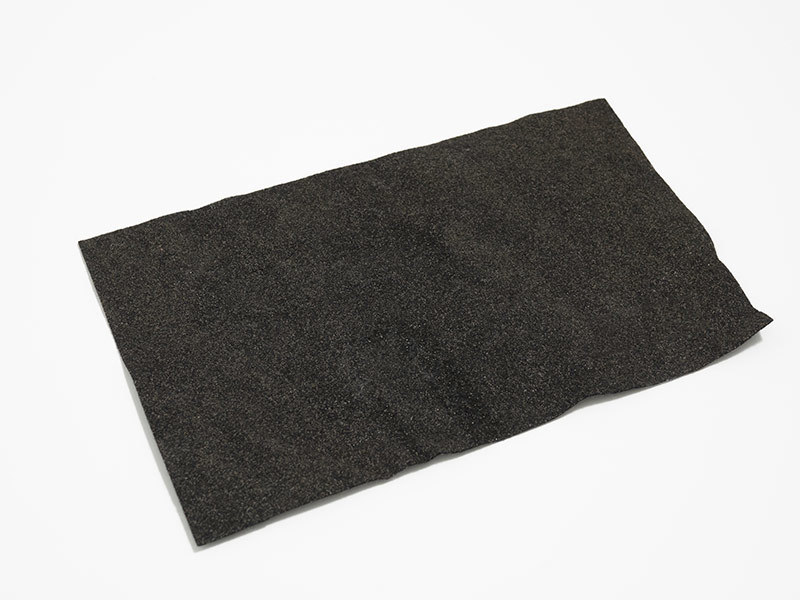
Car lining non-woven fabric is made from synthetic or natural fibers that are bonded together through a variety of methods, such as heat, chemical, or mechanical processes. Unlike traditional woven fabrics, non-woven fabrics do not require weaving, which allows for more efficient production and customization. This characteristic alone has made them a preferred choice in the automotive sector, as manufacturers can tailor the material's weight, thickness, and texture to meet specific needs.
One of the most significant benefits of car lining non-woven fabric is its lightweight nature. Reducing the weight of vehicle interiors is a key focus for automotive manufacturers aiming to improve fuel efficiency and reduce emissions. Non-woven fabrics typically weigh less than their woven counterparts while maintaining comparable durability and strength. As a result, their use can contribute to more sustainable vehicles without compromising quality.
Moreover, car lining non-woven fabric is highly effective in sound insulation. Its unique structure allows for better sound absorption, which can significantly enhance cabin acoustics. This is particularly important for luxury vehicles, where a quiet and comfortable ride is paramount. By incorporating non-woven fabrics into their designs, manufacturers can create a more serene driving environment, reducing road noise and vibrations.
In addition to performance benefits, car lining non-woven fabric also offers aesthetic advantages. The material can be easily dyed and printed, allowing for a wide range of design options to match the vehicle’s interior theme. This flexibility in design helps manufacturers and consumers achieve a desired look while ensuring functionality.
Sustainability is another vital aspect that car lining non-woven fabric addresses. Many manufacturers are now opting for eco-friendly options, including recycled fibers or biodegradable materials. This shift not only minimizes environmental impact but also caters to the growing demand for sustainable products in the automotive market.
In conclusion, car lining non-woven fabric presents a multitude of benefits that are reshaping the automotive industry. Its lightweight nature, sound insulation properties, design versatility, and potential for sustainability make it a compelling choice for modern vehicle interiors. As the industry continues to evolve, the adoption of innovative materials like non-woven fabric will play a pivotal role in enhancing both performance and consumer satisfaction.
Car lining non-woven fabric is made from synthetic or natural fibers that are bonded together through a variety of methods, such as heat, chemical, or mechanical processes. Unlike traditional woven fabrics, non-woven fabrics do not require weaving, which allows for more efficient production and customization. This characteristic alone has made them a preferred choice in the automotive sector, as manufacturers can tailor the material's weight, thickness, and texture to meet specific needs.
One of the most significant benefits of car lining non-woven fabric is its lightweight nature. Reducing the weight of vehicle interiors is a key focus for automotive manufacturers aiming to improve fuel efficiency and reduce emissions. Non-woven fabrics typically weigh less than their woven counterparts while maintaining comparable durability and strength. As a result, their use can contribute to more sustainable vehicles without compromising quality.
Moreover, car lining non-woven fabric is highly effective in sound insulation. Its unique structure allows for better sound absorption, which can significantly enhance cabin acoustics. This is particularly important for luxury vehicles, where a quiet and comfortable ride is paramount. By incorporating non-woven fabrics into their designs, manufacturers can create a more serene driving environment, reducing road noise and vibrations.
In addition to performance benefits, car lining non-woven fabric also offers aesthetic advantages. The material can be easily dyed and printed, allowing for a wide range of design options to match the vehicle’s interior theme. This flexibility in design helps manufacturers and consumers achieve a desired look while ensuring functionality.
Sustainability is another vital aspect that car lining non-woven fabric addresses. Many manufacturers are now opting for eco-friendly options, including recycled fibers or biodegradable materials. This shift not only minimizes environmental impact but also caters to the growing demand for sustainable products in the automotive market.
In conclusion, car lining non-woven fabric presents a multitude of benefits that are reshaping the automotive industry. Its lightweight nature, sound insulation properties, design versatility, and potential for sustainability make it a compelling choice for modern vehicle interiors. As the industry continues to evolve, the adoption of innovative materials like non-woven fabric will play a pivotal role in enhancing both performance and consumer satisfaction.
Tag:
Recommended news
Unlocking the Potential of Non-Woven Customization in Textile Industry
The realm of non-woven customization presents an array of opportunities for professionals in the textile industry. Non-woven fabrics, unlike traditional woven textiles, are made by bonding fibers together through mechanical, thermal, or chemical means. This unique manufacturing process allows for a myriad of customized solutions that can cater to specific needs across various applications.
One of
Contact Information
Postcode:211400
Address:Tian'an Village, Xinji Town, Yizheng City


QR code
QR
TikTok