

-
-
-
Solution

-
-
Contact Us
The Science Behind Effective Car Seat Heating Pad Substrates
The Science Behind Effective Car Seat Heating Pad Substrates
Table of Contents
- Introduction
- Understanding Heating Pad Substrates
- Material Choices for Heating Pads
- Design Considerations for Maximum Efficiency
- Heat Distribution Mechanisms
- Safety Standards for Car Seat Heating Pads
- Environmental Impacts of Heating Pad Materials
- The Future of Heating Pad Technology
- Conclusion
- FAQs
Introduction
Modern vehicles offer a plethora of comfort features, with heating pads in car seats becoming increasingly popular. Understanding the underlying science of these heating pad substrates is essential for both manufacturers and consumers. In this article, we delve deeply into the various materials, technologies, and design aspects that contribute to the effectiveness of car seat heating pads.
Understanding Heating Pad Substrates
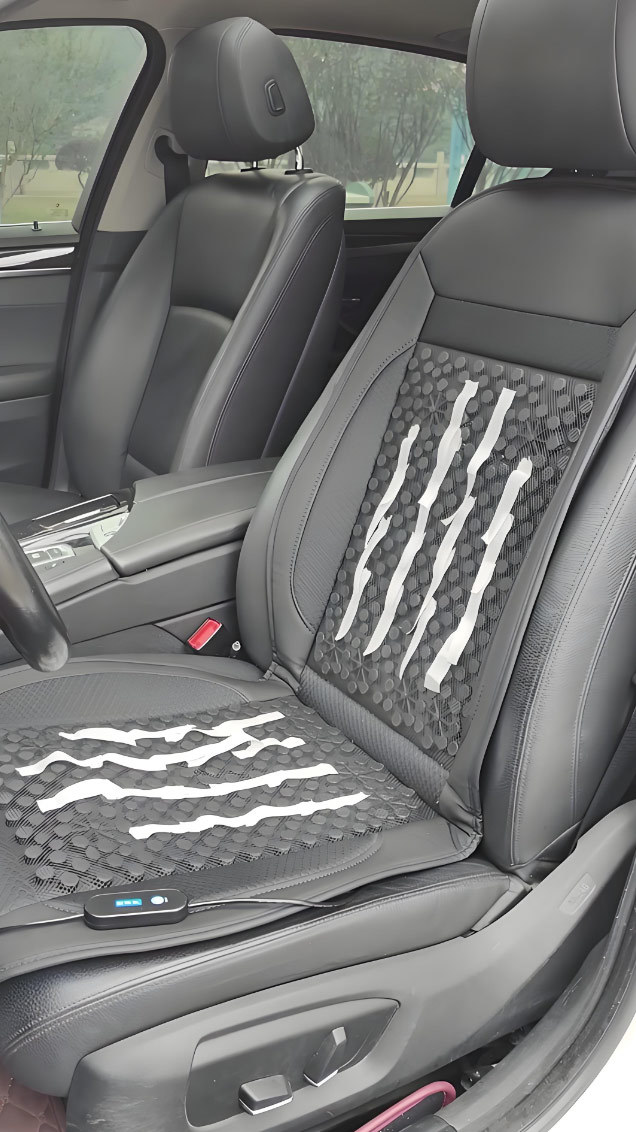
Heating pads in car seats are designed to provide warmth and comfort during cold weather. The substrate refers to the material layer that houses the heating elements and ensures even heat distribution across the surface. These substrates play a pivotal role in the efficiency and effectiveness of heating pads, influencing their performance, longevity, and safety.
Types of Heating Pad Substrates
Several types of substrates are utilized in car seat heating pads, each with its unique properties:
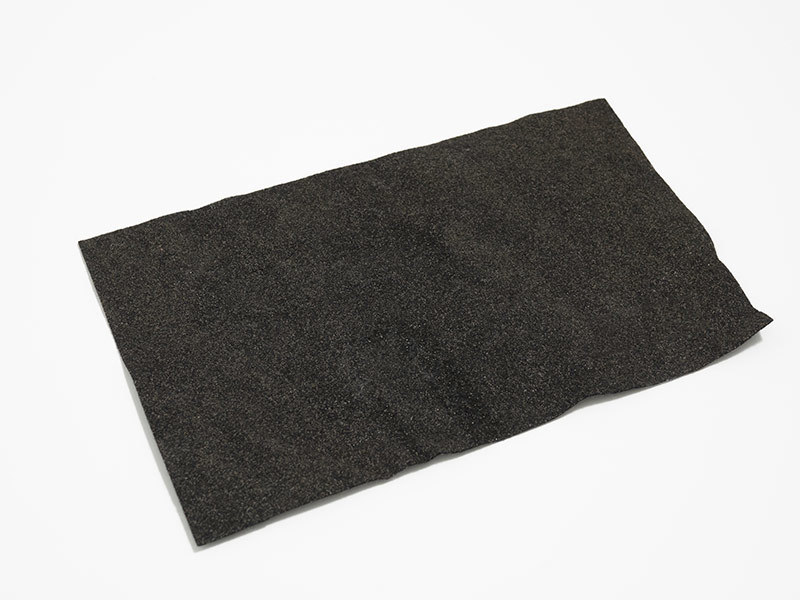
- **Textiles**: These are commonly used due to their flexibility, comfort, and ease of integration into car seats. Textiles can include various blends of natural and synthetic fibers, each offering different thermal properties.
- **Polymer Films**: Often used in more advanced heating pads, these films can be engineered for specific thermal conductivity and durability. They are lightweight and allow for precise temperature control.
- **Foams**: Some heating pads incorporate foam substrates that provide insulation and cushioning. These can enhance comfort while effectively retaining heat.
Material Choices for Heating Pads
The choice of materials in heating pads affects not only the comfort level but also the safety and efficiency of the heating functions. Here are some common materials used in car seat heating pad substrates:
1. Conductive Fabrics
Conductive fabrics are woven with metal fibers, allowing them to conduct electricity efficiently. They provide even heat distribution and can be easily integrated into various seating materials.
2. Carbon Fiber Elements
Carbon fiber is known for its lightweight and high conductivity. It generates heat quickly and uniformly, making it an excellent choice for high-performance heating pads.
3. Polypropylene and Polyester
These synthetic materials are commonly used due to their excellent durability and resistance to moisture. They can withstand the rigors of daily use while providing a comfortable experience.
4. Silicone Coatings
Silicone coatings enhance the insulation properties of heating pads, ensuring that heat remains within the pad and providing protection against wear and tear.
Design Considerations for Maximum Efficiency
Effective design is crucial to maximizing the performance of heating pads. Several considerations must be taken into account:
1. Layering Techniques
The configuration of heating elements and substrates can significantly influence heat distribution. Multi-layered designs ensure that heat is evenly spread across the entire surface of the seat.
2. Temperature Control Systems
Integrating sophisticated temperature control systems allows users to adjust heat levels according to their preferences, enhancing comfort and preventing overheating.
3. Ergonomics
The design must take ergonomic factors into account to ensure that the heating pads conform to the natural contours of the body, providing maximum comfort during use.
Heat Distribution Mechanisms
An effective heating pad must be capable of distributing heat uniformly. Here are some mechanisms that facilitate this:
1. Conduction
Conduction is the primary method of heat transfer in heating pads. The materials used in the substrate must have high thermal conductivity to ensure that heat reaches the surface quickly.
2. Convection
While less common in solid heating pads, convection can enhance heat distribution in designs that allow for airflow. This method can be significant in larger heating pads or those integrated with vehicle ventilation systems.
3. Radiant Heating
Radiant heating involves the direct transfer of heat from the heating element to the seat occupant. This method is effective for providing immediate warmth.
Safety Standards for Car Seat Heating Pads
Safety is paramount when it comes to car accessories. The industry adheres to strict safety standards to ensure that heating pads function reliably without posing risks. Key aspects include:
1. Overheating Protection
Modern heating pads are equipped with sensors that monitor temperature. This feature prevents overheating, ensuring user safety.
2. Fire Resistance
Materials used in heating pads should be fire-resistant to prevent potential hazards. This is a critical consideration in automotive applications.
3. Electrical Safety
Car seat heating pads must comply with electrical safety standards, ensuring that they function correctly without causing electrical failures or shorts.
Environmental Impacts of Heating Pad Materials
As sustainability becomes increasingly important, the environmental impact of the materials used in heating pads cannot be overlooked. Here are some considerations:
1. Biodegradable Materials
Using biodegradable materials can significantly reduce the environmental footprint. Manufacturers are exploring options that maintain performance while being environmentally friendly.
2. Energy Efficiency
Designing heating pads that consume less energy without compromising performance is essential. Energy-efficient pads not only reduce emissions but also save on power consumption.
3. Recycling Potential
Materials that can be easily recycled contribute to a circular economy. Innovations in recycling technologies are paving the way for more sustainable practices in the automotive industry.
The Future of Heating Pad Technology
The automotive industry is continuously evolving, and so is the technology behind heating pads. Future innovations may include:
1. Smart Heating Pads
Integration with smartphone applications for enhanced control and personalization is on the horizon. Smart heating pads could adjust temperatures based on user preferences and external conditions.
2. Improved Material Science
Research into new materials can lead to more efficient heating pads that provide better performance with lower energy usage. Innovations in nanotechnology may play a crucial role in this evolution.
3. Enhanced User Experience
Future designs will likely focus on enhancing user experience through adaptive heating that responds to body temperature and environmental factors, ensuring optimal comfort.
Conclusion
The science behind effective car seat heating pad substrates is multifaceted, combining material science, engineering design, and user safety. Understanding these elements is essential for manufacturers aiming to provide high-quality products that enhance user comfort and safety. As technology continues to advance, we can expect even more innovative solutions that will redefine comfort in our vehicles.
FAQs
1. What materials are commonly used in car seat heating pads?
Common materials include conductive fabrics, carbon fiber elements, polypropylene, and silicone coatings.
2. How do heating pads ensure safety while in use?
Heating pads incorporate sensors to prevent overheating, use fire-resistant materials, and comply with electrical safety standards.
3. Can I adjust the temperature of my car seat heating pad?
Yes, many modern heating pads feature adjustable temperature controls for personalized comfort.
4. What is the environmental impact of car seat heating pads?
The environmental impact varies based on materials used and energy consumption. Manufacturers are exploring biodegradable materials and energy-efficient designs.
5. What advancements can we expect in heating pad technology?
Future advancements may include smart heating pads that integrate with mobile applications, improved material science for efficiency, and enhanced user experience through adaptive heating technologies.
Tag:
Recommended news
Unlocking the Potential of Non-Woven Customization in Textile Industry
The realm of non-woven customization presents an array of opportunities for professionals in the textile industry. Non-woven fabrics, unlike traditional woven textiles, are made by bonding fibers together through mechanical, thermal, or chemical means. This unique manufacturing process allows for a myriad of customized solutions that can cater to specific needs across various applications.
One of

Contact Information
Postcode:211400
Address:Tian'an Village, Xinji Town, Yizheng City


QR code
QR
TikTok