

-
-
-
Solution

-
-
Contact Us
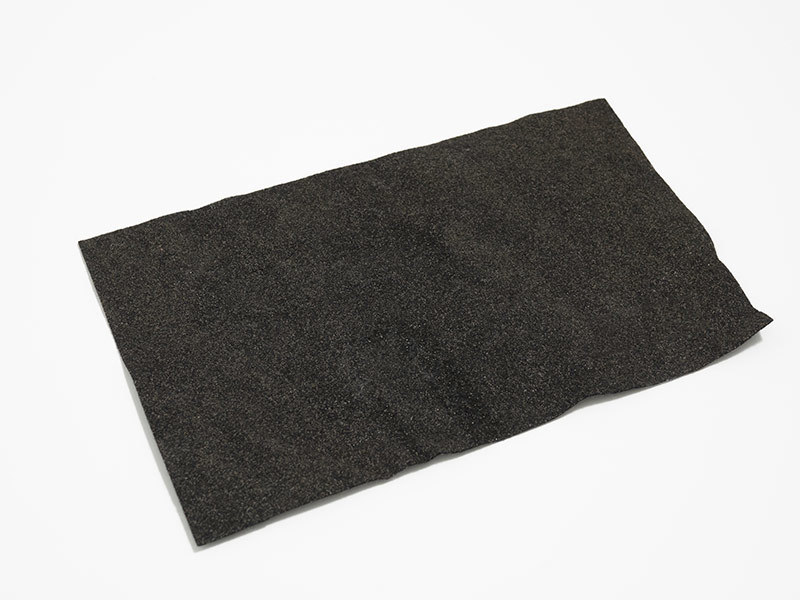
Non-breathable non-woven fabric for car seat Ventilation Bags – Durable Automotive Material
What Is Non‑breathable Non‑woven Fabric for Car Seat Ventilation Bags?
Non‑breathable non‑woven fabric for car seat ventilation bags is a specialized textile material designed to provide a solid barrier rather than allowing air to pass through freely. Unlike typical breathable non‑woven textiles, this non‑breathable version is engineered with closely packed fibers or additional lamination layers that significantly restrict airflow, making it suitable for specific automotive applications such as ventilation bags and structural backing layers in car seats. Non‑woven fabrics are produced by bonding fibers together without weaving or knitting, creating a strong, uniform sheet that can be engineered to meet precise performance needs.

Properties and Functional Advantages
The primary advantage of non‑breathable non‑woven fabric for car seat ventilation bags lies in its ability to resist air passage, moisture penetration, and abrasion. Because the fibers are densely bonded, the fabric provides enhanced mechanical strength, dimensional stability, and tear resistance—important characteristics when used inside seat assemblies where movement and load occur regularly. Compared to woven textiles, non‑woven materials can be tailored during manufacturing for specific density, thickness, or barrier properties required by the seat design.
Additionally, non‑breathable non‑woven fabric can be engineered with coatings or laminates that improve its moisture resistance and durability, protecting internal components from humidity or particulate infiltration. These traits make it an excellent choice for car seat ventilation bags, which help manage air distribution within the seat structure without allowing uncontrolled airflow—ensuring comfort and performance in automotive seating applications.
Application in Automotive Seating Systems
In automotive interior design, non‑woven fabrics are widely used not only for aesthetic seat covers but also for functional layers within the seat assembly. While many interior textiles are chosen for their breathability and comfort, specific components require materials that act as controlled air barriers. Non‑breathable non‑woven fabric for car seat ventilation bags provides this capability, making it integral to systems that combine ventilation performance with durable construction.
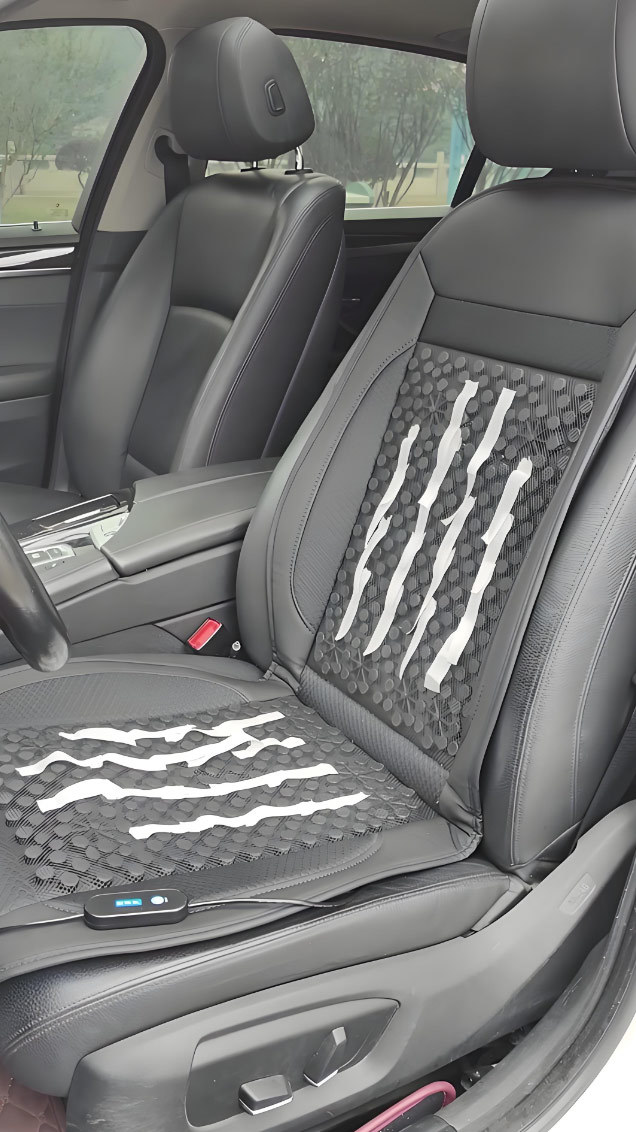
Ventilation bags equipped with non‑breathable non‑woven layers help distribute conditioned air from seat cooling or heating systems through designed outlets while preventing random air leakage. This ensures a more uniform airflow across the seat surface and contributes to enhanced comfort for the driver and passengers—especially in climates with extreme temperature variations.
Manufacturing and Material Considerations
These fabrics are most commonly made from materials like polypropylene (PP) or polyester (PET), which offer a balance of strength, chemical resistance, and molding flexibility. In cases requiring extra moisture control or load support, additional layers or lamination techniques can be used to increase barrier effectiveness. Non‑woven fabric production methods—such as spunbond or meltblown processes—allow manufacturers to precisely control fiber density and bonding, achieving the desired non‑breathable characteristics for specific automotive applications.
Benefits for Automotive OEMs and End Users
Because non‑breathable non‑woven fabric for car seat ventilation bags can provide a stable barrier layer, it supports improved seat longevity and comfort. Its lightweight structure helps reduce overall seat weight, contributing to fuel efficiency gains. It can also be engineered to meet flame‑retardant, low‑VOC, and regulatory safety requirements for automotive interiors, ensuring compliance with industry standards while enhancing thermal and acoustic performance.
Recommended news
Unlocking the Potential of Non-Woven Customization in Textile Industry
Contact Information
Postcode:211400
Address:Tian'an Village, Xinji Town, Yizheng City


QR code
QR
TikTok