

-
-
-
Solution

-
-
Contact Us
Understanding Non-Breathable Non-Woven Fabric for Car Seats: Benefits and Applications
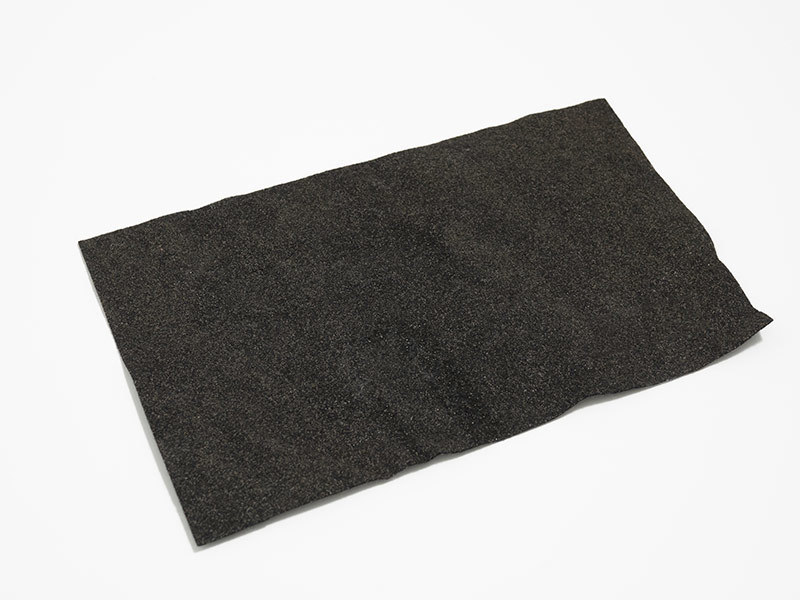
Non-breathable non-woven fabric is an innovative material widely used in various applications, particularly in the automotive industry for car seats. Unlike traditional woven fabrics, non-woven materials are created by bonding fibers together through mechanical, thermal, or chemical processes. This results in a fabric that can be specifically engineered to possess desired characteristics, including non-breathability.
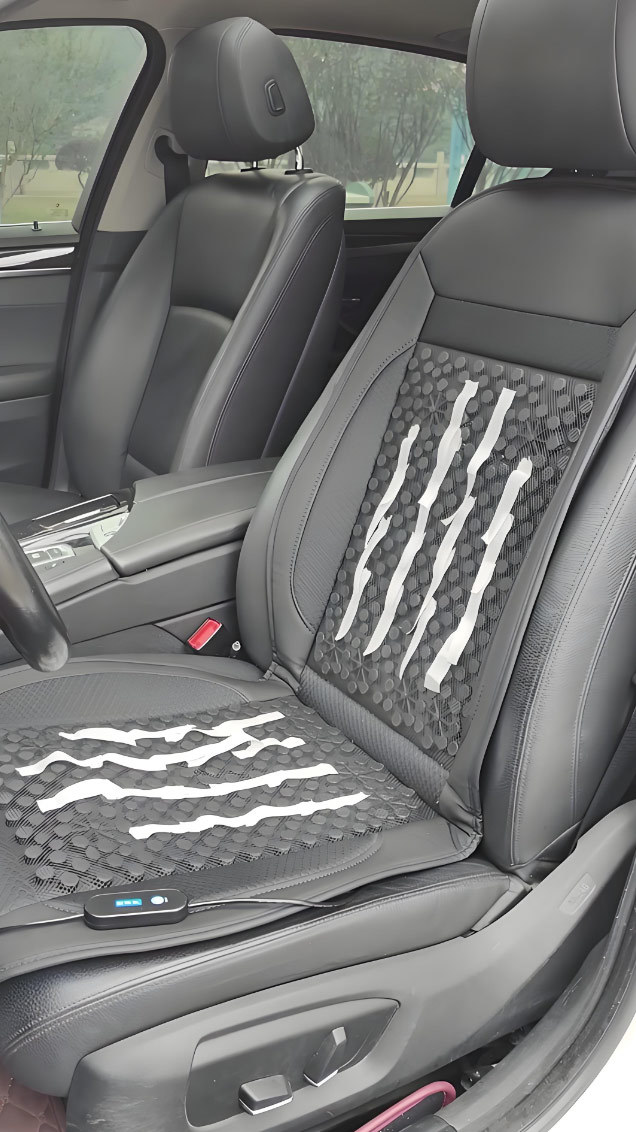
One of the primary reasons for using non-breathable non-woven fabric in car seats is its exceptional durability. Car seats are subjected to constant wear and tear from everyday use, and this type of fabric offers enhanced resistance against abrasion, tearing, and other forms of damage. Additionally, non-breathable non-woven fabric is often treated to be water-resistant, which helps protect the seats from spills and stains, making it an ideal choice for families and individuals seeking long-lasting solutions.
In the context of automotive design, aesthetics play a significant role in consumer preferences. Non-breathable non-woven fabric can be produced in a variety of colors and textures, allowing manufacturers to create visually appealing seats that complement the overall interior design of a vehicle. The ability to customize this fabric provides an edge in the competitive automotive market, appealing to consumers who desire a blend of style and functionality.
While breathability is often a desirable feature in many textiles, non-breathable non-woven fabric serves a unique purpose in specific scenarios. For instance, in vehicles designed for colder climates, non-breathable materials can offer added insulation by preventing cold air infiltration. Additionally, this type of fabric can help maintain a consistent temperature within the car, providing comfort during colder seasons.
Moreover, the production process of non-woven fabrics is generally more sustainable compared to traditional woven fabrics. Many manufacturers focus on utilizing recycled materials and eco-friendly practices in their production lines. This shift towards sustainability is becoming increasingly important to consumers who are conscious of their environmental impact.
In conclusion, non-breathable non-woven fabric is an essential component of car seat manufacturing, offering numerous advantages such as durability, aesthetic versatility, and potential insulation benefits. Its unique properties make it particularly suitable for specific automotive applications, ultimately contributing to the overall performance and appeal of vehicles. As the automotive industry continues to evolve, the demand for innovative materials like non-breathable non-woven fabric will likely increase, paving the way for further advancements in vehicle design and functionality.
One of the primary reasons for using non-breathable non-woven fabric in car seats is its exceptional durability. Car seats are subjected to constant wear and tear from everyday use, and this type of fabric offers enhanced resistance against abrasion, tearing, and other forms of damage. Additionally, non-breathable non-woven fabric is often treated to be water-resistant, which helps protect the seats from spills and stains, making it an ideal choice for families and individuals seeking long-lasting solutions.
In the context of automotive design, aesthetics play a significant role in consumer preferences. Non-breathable non-woven fabric can be produced in a variety of colors and textures, allowing manufacturers to create visually appealing seats that complement the overall interior design of a vehicle. The ability to customize this fabric provides an edge in the competitive automotive market, appealing to consumers who desire a blend of style and functionality.
While breathability is often a desirable feature in many textiles, non-breathable non-woven fabric serves a unique purpose in specific scenarios. For instance, in vehicles designed for colder climates, non-breathable materials can offer added insulation by preventing cold air infiltration. Additionally, this type of fabric can help maintain a consistent temperature within the car, providing comfort during colder seasons.
Moreover, the production process of non-woven fabrics is generally more sustainable compared to traditional woven fabrics. Many manufacturers focus on utilizing recycled materials and eco-friendly practices in their production lines. This shift towards sustainability is becoming increasingly important to consumers who are conscious of their environmental impact.
In conclusion, non-breathable non-woven fabric is an essential component of car seat manufacturing, offering numerous advantages such as durability, aesthetic versatility, and potential insulation benefits. Its unique properties make it particularly suitable for specific automotive applications, ultimately contributing to the overall performance and appeal of vehicles. As the automotive industry continues to evolve, the demand for innovative materials like non-breathable non-woven fabric will likely increase, paving the way for further advancements in vehicle design and functionality.
Tag:
Recommended news
Unlocking the Potential of Non-Woven Customization in Textile Industry
The realm of non-woven customization presents an array of opportunities for professionals in the textile industry. Non-woven fabrics, unlike traditional woven textiles, are made by bonding fibers together through mechanical, thermal, or chemical means. This unique manufacturing process allows for a myriad of customized solutions that can cater to specific needs across various applications.
One of
Contact Information
Postcode:211400
Address:Tian'an Village, Xinji Town, Yizheng City


QR code
QR
TikTok