

-
-
-
Solution

-
-
Contact Us
The Role of Geomembrane Composite Fabric in Innovative Water Management Solutions
The Role of Geomembrane Composite Fabric in Water Management Solutions
Water management has become increasingly crucial in our rapidly changing environment. As urban areas expand and agricultural needs grow, innovative solutions are necessary to tackle the complexities associated with water conservation, containment, and distribution. One such groundbreaking solution is **geomembrane composite fabric**, which plays a vital role in effective water management systems. This article will delve into the significance, applications, benefits, and future prospects of geomembrane composite fabrics in water management.
Table of Contents
1. Introduction to Geomembrane Composite Fabrics
2. Understanding Geomembranes: Definition and Composition
3. Applications of Geomembrane Composite Fabric in Water Management
- 3.1 Landfill Liners and Leachate Management
- 3.2 Pond Liners for Water Conservation
- 3.3 Sludge Management in Wastewater Treatment
4. Advantages of Using Geomembrane Composite Fabrics
- 4.1 Durability and Longevity
- 4.2 Cost-Effectiveness and Sustainability
5. Installation and Maintenance Considerations
6. Regulatory Considerations and Compliance
7. Future Prospects of Geomembrane Composite Fabrics in Water Management
8. Conclusion
9. Frequently Asked Questions (FAQs)
Introduction to Geomembrane Composite Fabrics
The growing concerns over water scarcity and pollution have prompted industries and municipalities to seek innovative solutions for effective water management. **Geomembrane composite fabrics** have emerged as a pivotal technology in this arena. These fabrics play an essential role in preventing water loss, managing wastewater, and ensuring environmental protection, all while supporting sustainability efforts.
Understanding Geomembranes: Definition and Composition
**Geomembranes** are synthetic membranes used as impermeable barriers in various applications, particularly in environmental protection and water management. They are typically made from materials like polyethylene, polyvinyl chloride (PVC), and other polymers. The term “composite” indicates that these geomembranes are often layered with additional materials to enhance their performance characteristics, such as puncture resistance, UV stability, and chemical resistance.
Composition of Geomembrane Composite Fabrics
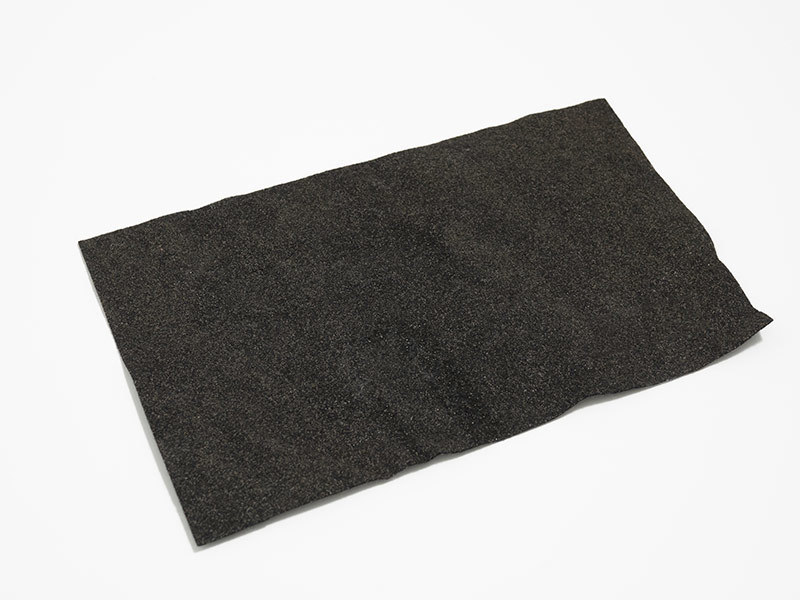
Geomembrane composite fabrics consist of a primary geomembrane layer, often supplemented by geotextiles or other materials. This combination allows for enhanced performance in terms of hydraulic conductivity, durability, and filtration. Geotextiles can provide additional structural support and filtration capabilities, making them suitable for various water management systems.
Applications of Geomembrane Composite Fabric in Water Management
The versatility of geomembrane composite fabrics has led to their application in multiple sectors. Below are several significant uses in water management systems.
3.1 Landfill Liners and Leachate Management
One of the primary applications of geomembrane composite fabrics is in landfill operations. These fabrics effectively line the bottom and sides of landfills, preventing leachate—a toxic liquid formed when water filters through waste—from contaminating surrounding soil and groundwater. The impermeable nature of geomembranes ensures that leachate is contained and can be safely managed through treatment systems.
3.2 Pond Liners for Water Conservation
In agricultural settings, geomembrane composite fabrics serve as pond liners, preventing water seepage and evaporation. This application is particularly essential in arid regions, where water conservation is critical. By using these liners, farmers can create efficient irrigation systems, ensuring that water resources are used judiciously.
3.3 Sludge Management in Wastewater Treatment
Wastewater treatment facilities utilize geomembrane composite fabrics in sludge management systems. These fabrics help contain and manage sludge, ensuring that it does not escape into surrounding environments. The durable nature of these membranes allows them to withstand harsh chemical environments typically found in wastewater treatment processes.
Advantages of Using Geomembrane Composite Fabrics
The benefits of geomembrane composite fabrics extend beyond basic functionality. They offer several advantages that contribute to sustainable and efficient water management practices.
4.1 Durability and Longevity
Geomembrane composite fabrics are designed to endure harsh environmental conditions, including UV radiation, temperature fluctuations, and chemical exposure. Their robust construction results in extended service life, reducing the need for frequent replacements and minimizing long-term maintenance costs.
4.2 Cost-Effectiveness and Sustainability
While the initial investment in geomembrane composite fabrics may be higher than traditional materials, their durability and reduced maintenance needs make them cost-effective in the long run. Moreover, by preventing water loss and pollution, these materials contribute to more sustainable water management practices, aligning with global efforts to conserve natural resources.
Installation and Maintenance Considerations
Proper installation and routine maintenance are crucial to maximizing the effectiveness of geomembrane composite fabrics. Below are key considerations for successful implementation.
Installation Process
The installation of geomembrane composite fabrics involves several steps, including site preparation, proper alignment, and secure welding of seams. Ensuring that the substrate is clean and free of debris is essential to prevent punctures or damage during installation.
Maintenance Practices
Regular inspections are vital for maintaining the integrity of geomembrane composite fabrics. Any signs of deterioration, punctures, or leaks should be addressed promptly to prevent further issues. Additionally, routine cleaning can help remove contaminants that may degrade the fabric.
Regulatory Considerations and Compliance
When implementing geomembrane composite fabrics in water management systems, organizations must adhere to relevant regulations and standards. These may include environmental protection laws, safety guidelines, and industry-specific regulations. Compliance ensures that projects meet legal requirements while safeguarding public health and the environment.
Future Prospects of Geomembrane Composite Fabrics in Water Management
As water scarcity and environmental concerns continue to escalate, the demand for innovative water management solutions will grow. Geomembrane composite fabrics are poised to play an increasingly vital role in this landscape. Future developments may include advancements in material technology, improved sustainability features, and enhanced performance characteristics.
Moreover, as industries strive for greater sustainability, geomembrane composite fabrics will likely find new applications in areas such as green infrastructure, stormwater management, and climate resilience initiatives.
Conclusion
Geomembrane composite fabrics are revolutionizing water management solutions across various sectors. Their versatility, durability, and cost-effectiveness make them indispensable in the ongoing quest for sustainable water resource management. By preventing contamination, conserving water, and ensuring compliance with environmental regulations, these innovative materials are paving the way for a more sustainable future. As industries and municipalities continue to prioritize effective water management, the role of geomembrane composite fabrics will undoubtedly expand, contributing to a healthier and more sustainable environment.
Frequently Asked Questions (FAQs)
1. What is a geomembrane composite fabric?
Geomembrane composite fabric is a synthetic membrane designed to be impermeable, often made from polymers like polyethylene and PVC. It is used in various applications, especially for water management and environmental protection.
2. How do geomembrane composite fabrics contribute to water conservation?
These fabrics prevent water loss through seepage and evaporation, making them ideal for applications such as pond liners and irrigation systems, especially in areas with limited water resources.
3. What are the benefits of using geomembrane composite fabrics in landfills?
They act as effective barriers, preventing leachate from contaminating surrounding soil and groundwater, thus ensuring environmental safety and compliance with regulatory standards.
4. What is the installation process for geomembrane composite fabrics?
The installation involves site preparation, proper alignment of the material, and secure welding of seams to ensure a watertight seal, thereby maximizing effectiveness.
5. Are there any regulatory considerations when using geomembrane composite fabrics?
Yes, organizations must comply with environmental protection laws, safety guidelines, and industry-specific regulations to ensure public health and environmental safety.
By understanding the significant role geomembrane composite fabrics play in water management solutions, stakeholders can make informed decisions that promote sustainability and efficiency in their operations.
Tag:
Recommended news
Unlocking the Potential of Non-Woven Customization in Textile Industry
The realm of non-woven customization presents an array of opportunities for professionals in the textile industry. Non-woven fabrics, unlike traditional woven textiles, are made by bonding fibers together through mechanical, thermal, or chemical means. This unique manufacturing process allows for a myriad of customized solutions that can cater to specific needs across various applications.
One of


Contact Information
Postcode:211400
Address:Tian'an Village, Xinji Town, Yizheng City


QR code
QR
TikTok