

-
-
-
Solution

-
-
Contact Us
Unlocking the Potential of Coconut Shell Rag Nonwoven Fabrics for Sustainable Textiles
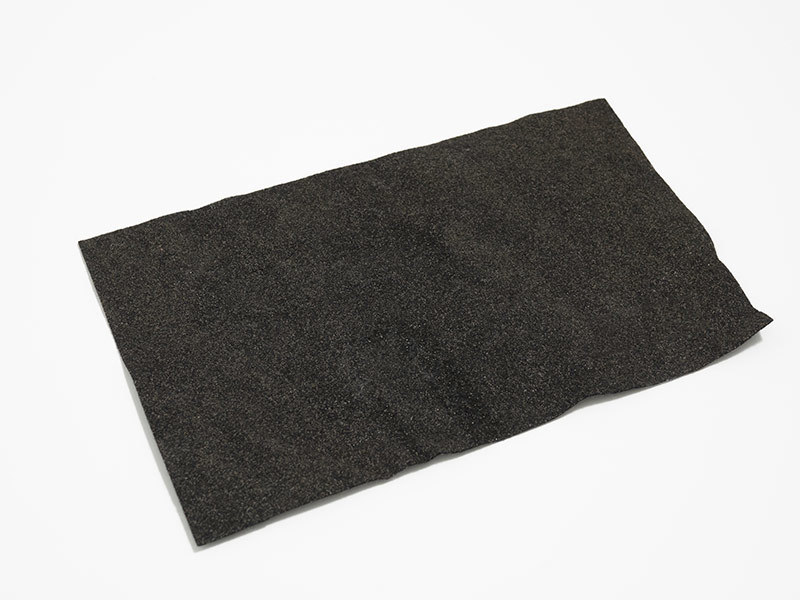
Coconut Shell Rag Nonwoven fabrics represent a fascinating intersection of sustainability and innovation within the textile industry. Derived from the fibrous byproducts of coconut shells, these materials are not only biodegradable but also offer unique properties that make them suitable for various applications. One of the primary advantages of coconut shell rag nonwoven fabrics is their ability to contribute to waste reduction. By utilizing agricultural byproducts, manufacturers can help minimize the environmental impact typically associated with textile production.
The inherent properties of coconut fibers make them an excellent choice for nonwoven applications. Coconut shell fibers are robust, resistant to wear, and possess natural anti-fungal and antibacterial qualities. This durability makes coconut shell rag nonwoven fabrics ideal for products that require resilience, such as automotive interiors, insulation materials, and protective clothing. Moreover, the natural resistance to mold and bacteria contributes to a healthier environment, particularly in settings where hygiene is paramount.
In addition to their functional benefits, coconut shell rag nonwoven fabrics are highly versatile. They can be produced in various forms, including sheets, rolls, and custom shapes, which allows for extensive usage across different industries. From home furnishings and filtration systems to agricultural applications and personal care products, the possibilities are vast. For instance, the use of nonwoven fabrics in agriculture can enhance soil health by providing natural barriers against pests and diseases, thus promoting sustainable farming practices.
Sustainability is at the forefront of consumer preferences today, and coconut shell rag nonwoven fabrics align perfectly with this trend. As more industries seek eco-friendly alternatives, the demand for such materials is likely to grow, pushing innovation and development in this area. Companies that adopt these sustainable materials not only cater to the increasing consumer demand for green products but also position themselves as responsible partners in the fight against climate change.
Furthermore, the manufacturing process of coconut shell rag nonwoven fabrics can be optimized to reduce energy consumption and waste. Techniques such as hydroentangling and needle punching can produce high-quality nonwovens while minimizing the environmental footprint. By investing in such sustainable practices, manufacturers can enhance their brand reputation and appeal to environmentally conscious consumers.
In conclusion, Coconut Shell Rag Nonwoven fabrics stand at the intersection of sustainability and functionality. Their unique properties and versatility make them ideal for a wide range of applications, while their eco-friendly nature addresses the growing demand for sustainable textiles. As the textile industry continues to evolve, the inclusion of coconut shell rag nonwoven fabrics could play a pivotal role in shaping a greener future.
The inherent properties of coconut fibers make them an excellent choice for nonwoven applications. Coconut shell fibers are robust, resistant to wear, and possess natural anti-fungal and antibacterial qualities. This durability makes coconut shell rag nonwoven fabrics ideal for products that require resilience, such as automotive interiors, insulation materials, and protective clothing. Moreover, the natural resistance to mold and bacteria contributes to a healthier environment, particularly in settings where hygiene is paramount.
In addition to their functional benefits, coconut shell rag nonwoven fabrics are highly versatile. They can be produced in various forms, including sheets, rolls, and custom shapes, which allows for extensive usage across different industries. From home furnishings and filtration systems to agricultural applications and personal care products, the possibilities are vast. For instance, the use of nonwoven fabrics in agriculture can enhance soil health by providing natural barriers against pests and diseases, thus promoting sustainable farming practices.
Sustainability is at the forefront of consumer preferences today, and coconut shell rag nonwoven fabrics align perfectly with this trend. As more industries seek eco-friendly alternatives, the demand for such materials is likely to grow, pushing innovation and development in this area. Companies that adopt these sustainable materials not only cater to the increasing consumer demand for green products but also position themselves as responsible partners in the fight against climate change.
Furthermore, the manufacturing process of coconut shell rag nonwoven fabrics can be optimized to reduce energy consumption and waste. Techniques such as hydroentangling and needle punching can produce high-quality nonwovens while minimizing the environmental footprint. By investing in such sustainable practices, manufacturers can enhance their brand reputation and appeal to environmentally conscious consumers.
In conclusion, Coconut Shell Rag Nonwoven fabrics stand at the intersection of sustainability and functionality. Their unique properties and versatility make them ideal for a wide range of applications, while their eco-friendly nature addresses the growing demand for sustainable textiles. As the textile industry continues to evolve, the inclusion of coconut shell rag nonwoven fabrics could play a pivotal role in shaping a greener future.
Tag:
Recommended news
Unlocking the Potential of Non-Woven Customization in Textile Industry
The realm of non-woven customization presents an array of opportunities for professionals in the textile industry. Non-woven fabrics, unlike traditional woven textiles, are made by bonding fibers together through mechanical, thermal, or chemical means. This unique manufacturing process allows for a myriad of customized solutions that can cater to specific needs across various applications.
One of

Contact Information
Postcode:211400
Address:Tian'an Village, Xinji Town, Yizheng City


QR code
QR
TikTok