

-
-
-
Solution

-
-
Contact Us
Innovative Uses of Nonwoven Geobags in Civil Engineering: Unlocking New Possibilities
Innovative Uses of Nonwoven Geobags in Civil Engineering
Table of Contents
1. Introduction to Nonwoven Geobags
2. What Are Nonwoven Geobags?
3. Benefits of Using Nonwoven Geobags
4. Applications of Nonwoven Geobags in Civil Engineering
- 4.1 Erosion Control
- 4.2 Landfill Liner Systems
- 4.3 Dewatering Systems
- 4.4 Road Construction and Repair
5. Case Studies Highlighting Successful Implementations
6. Challenges and Solutions in Using Nonwoven Geobags
7. The Future of Nonwoven Geobags in Civil Engineering
8. Conclusion
9. Frequently Asked Questions
Introduction to Nonwoven Geobags
In the realm of civil engineering, innovation is key to sustainable development and effective project management. One such innovation is the use of **nonwoven geobags**. These versatile materials have emerged as vital components in various engineering applications, providing solutions that are both efficient and environmentally friendly. In this article, we will explore the creative applications of nonwoven geobags, examining their benefits, uses, case studies, and the future potential they hold in civil engineering.
What Are Nonwoven Geobags?
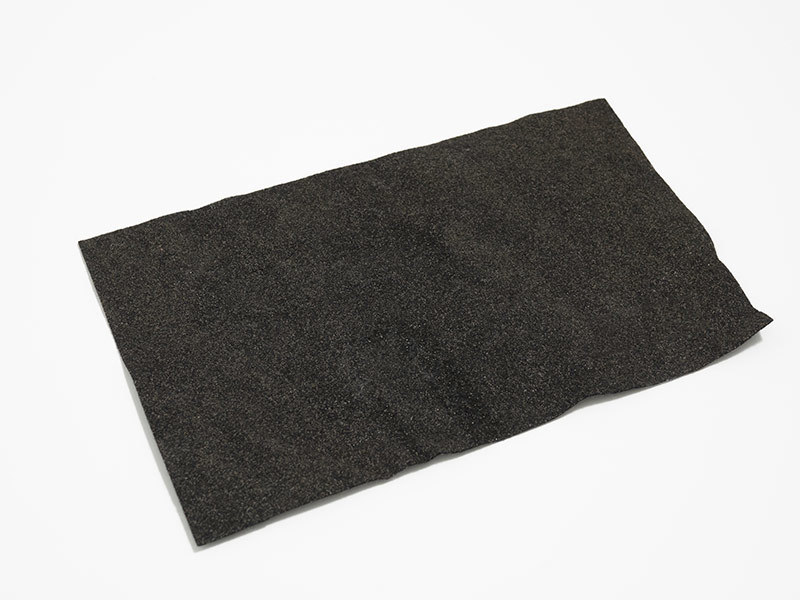
Nonwoven geobags are made from synthetic fibers that are bonded together through mechanical, thermal, or chemical processes. Unlike traditional woven fabrics, nonwoven geobags offer unique properties such as excellent filtration, drainage, and erosion control capabilities. Typically filled with soil, sand, or other materials, these geobags come in various shapes and sizes, tailored for specific applications within civil engineering projects.
Benefits of Using Nonwoven Geobags
The advantages of incorporating nonwoven geobags into civil engineering projects are numerous and impactful:
- **Cost-Effectiveness**: Nonwoven geobags are often more affordable than traditional materials, reducing overall project costs.
- **Versatility**: They can be used in various applications, from erosion control to waste management, making them a multifunctional solution for engineers.
- **Environmental Sustainability**: Made from recyclable materials, nonwoven geobags help minimize the ecological footprint of construction projects.
- **Enhanced Performance**: These geobags provide superior drainage and filtration, which can significantly improve project longevity and durability.
Applications of Nonwoven Geobags in Civil Engineering
Nonwoven geobags serve a multitude of functions in civil engineering. Here, we will explore some of the most prominent applications:
Erosion Control
Erosion is a significant concern in civil engineering, particularly in areas prone to heavy rainfall or flooding. Nonwoven geobags are effective tools for controlling soil erosion, as they can be strategically placed to reduce water flow velocity and protect vulnerable surfaces. By creating barriers that trap soil and sediment, these geobags help maintain soil integrity and prevent the loss of valuable topsoil.
Landfill Liner Systems
The management of landfill sites requires careful consideration of environmental impact. Nonwoven geobags can be utilized as part of landfill liner systems, providing an effective barrier against leachate migration. Their ability to filter contaminants while allowing for drainage makes them an ideal choice for protecting groundwater resources.
Dewatering Systems
In construction projects, managing groundwater is crucial. Nonwoven geobags can be incorporated into dewatering systems to effectively control water levels. By using these bags to create a filtration system, engineers can manage excess water, maintain site safety, and ensure that construction activities proceed smoothly.
Road Construction and Repair
Nonwoven geobags are increasingly being used in road construction and repair projects. Their lightweight nature and strength make them suitable for stabilizing embankments and reinforcing road bases. By providing additional support, they enhance the durability of road surfaces and reduce the risk of cracking and deterioration.
Case Studies Highlighting Successful Implementations
Several projects have successfully utilized nonwoven geobags, showcasing their effectiveness in real-world applications:
- **Project A: Erosion Control in Coastal Areas**
In a coastal engineering project, nonwoven geobags were deployed to combat severe erosion caused by tidal surges. The bags were filled with sand and placed along the shoreline to absorb wave energy. This solution not only stabilized the beach but also fostered the growth of natural vegetation, enhancing the coastal ecosystem.
- **Project B: Landfill Management**
A municipal landfill project incorporated nonwoven geobags as part of its liner system. The bags provided an effective barrier against leachate, ensuring that groundwater remained clean. This approach not only complied with environmental regulations but also improved the overall efficiency of waste management.
- **Project C: Urban Dewatering**
In an urban construction site with high groundwater levels, nonwoven geobags were used to create a dewatering system. This innovative use allowed for effective groundwater management, enabling construction workers to proceed with excavation without delays caused by water accumulation.
Challenges and Solutions in Using Nonwoven Geobags
Despite their numerous benefits, the use of nonwoven geobags is not without challenges. Some common issues include:
- **Durability Concerns**: In applications exposed to harsh environmental conditions, there may be concerns about the long-term durability of nonwoven geobags. Engineers can address this by selecting high-performance materials and employing protective measures during installation.
- **Proper Installation**: Incorrect installation can lead to ineffective performance. To mitigate this, comprehensive training for installation crews and adherence to best practices are essential.
- **Environmental Impact**: While nonwoven geobags are generally eco-friendly, their disposal at the end of life cycle can pose challenges. Utilizing biodegradable options or recycling programs can help minimize this impact.
The Future of Nonwoven Geobags in Civil Engineering
As civil engineering continues to evolve, the role of nonwoven geobags is likely to expand. Innovations in material technology will lead to even more effective solutions, enhancing their performance and sustainability. Additionally, increased awareness of environmental issues will drive the demand for eco-friendly construction practices, positioning nonwoven geobags as a go-to choice in future projects.
Conclusion
In summary, nonwoven geobags represent a significant advancement in civil engineering materials. Their versatility, cost-effectiveness, and environmental benefits make them a powerful tool in addressing modern engineering challenges. By exploring innovative applications and learning from successful case studies, engineers can harness the full potential of nonwoven geobags to contribute to sustainable infrastructure development.
Frequently Asked Questions
1. **What are nonwoven geobags made of?**
Nonwoven geobags are typically made from synthetic materials like polypropylene or polyester, which are bonded together through various processes.
2. **How long do nonwoven geobags last?**
The lifespan of nonwoven geobags can vary based on environmental conditions, but high-quality geobags can last several years under proper use and installation.
3. **Can nonwoven geobags be recycled?**
Yes, nonwoven geobags made from certain materials can be recycled. However, it is essential to check local recycling facilities for specifics.
4. **Are nonwoven geobags effective for all soil types?**
Nonwoven geobags are versatile and can be effective across various soil types, but their performance may vary depending on specific site conditions.
5. **How do nonwoven geobags compare to traditional erosion control methods?**
Nonwoven geobags offer several advantages over traditional methods, including ease of installation, cost-effectiveness, and improved environmental sustainability.
Tag:
Recommended news
Unlocking the Potential of Non-Woven Customization in Textile Industry
The realm of non-woven customization presents an array of opportunities for professionals in the textile industry. Non-woven fabrics, unlike traditional woven textiles, are made by bonding fibers together through mechanical, thermal, or chemical means. This unique manufacturing process allows for a myriad of customized solutions that can cater to specific needs across various applications.
One of

Contact Information
Postcode:211400
Address:Tian'an Village, Xinji Town, Yizheng City


QR code
QR
TikTok