

-
-
-
Solution

-
-
Contact Us
The Versatile World of Shapeable Nonwoven Fabric: Unlocking New Possibilities
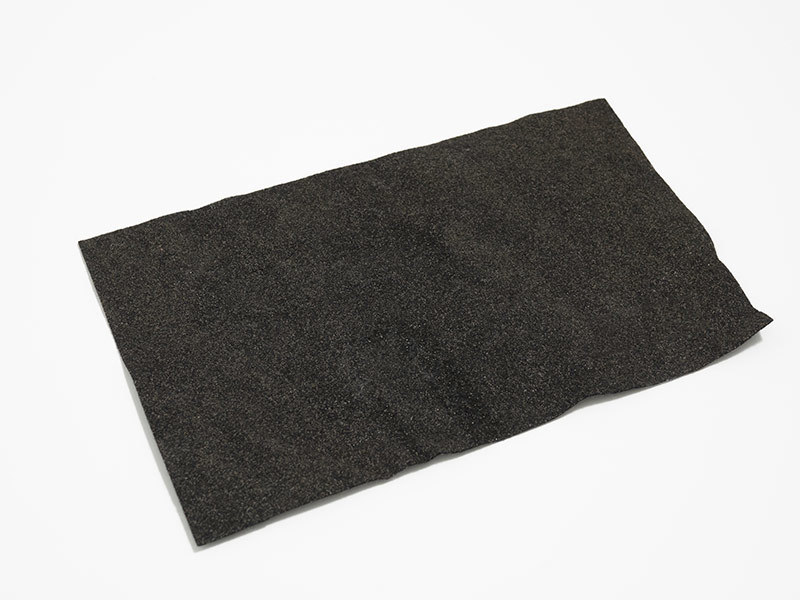
Shapeable nonwoven fabric is an innovative textile material that offers a blend of versatility and functionality, making it an essential component in a variety of applications. Unlike traditional woven fabrics, shapeable nonwoven fabric is engineered from fibers that are bonded together through mechanical, thermal, or chemical processes. This unique construction allows the fabric to maintain its shape and structure, providing distinct advantages over conventional materials.
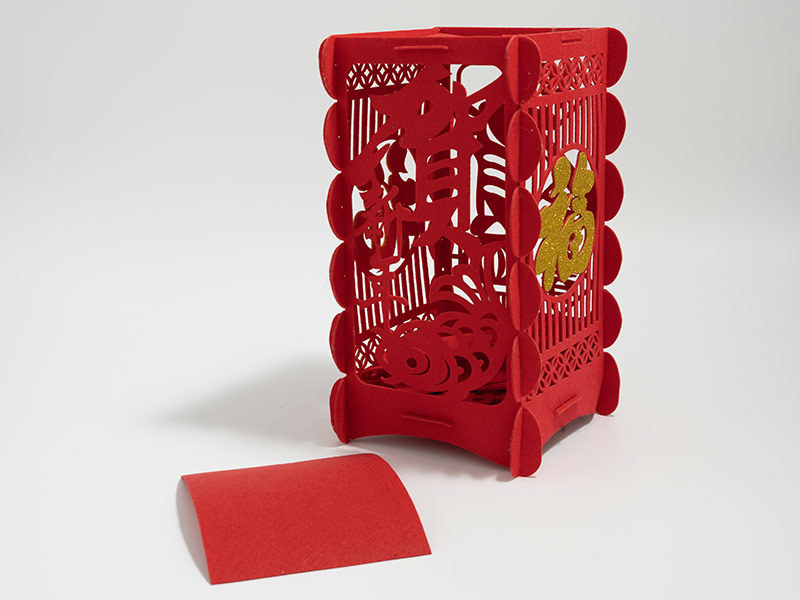
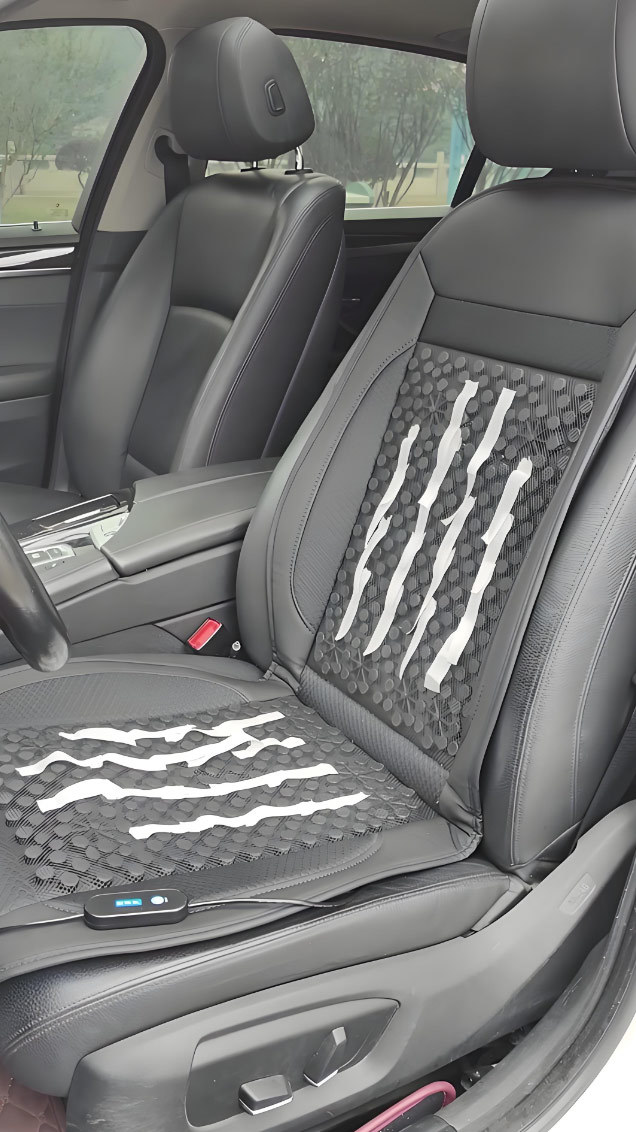
One of the primary benefits of shapeable nonwoven fabric is its adaptability. It can be easily molded into different shapes and forms, which makes it an ideal choice for products that require a specific design or structure. This characteristic is particularly valuable in industries such as automotive, construction, and consumer goods, where tailored solutions are often necessary. For instance, in automotive applications, shapeable nonwoven fabric can be used for interior components, offering both aesthetic appeal and functional support.
Another key advantage of shapeable nonwoven fabric is its lightweight nature. This feature makes it an excellent alternative to heavier materials, providing manufacturers with the opportunity to create lighter, more efficient products. In the realm of packaging, shapeable nonwoven fabric can be utilized to produce eco-friendly and lightweight packaging solutions, which are increasingly demanded in today's environmentally conscious market.
Additionally, shapeable nonwoven fabric is known for its excellent filtration properties. This makes it a popular choice in the production of filters for air and liquid purification systems. The ability to customize the fabric's density and structure allows manufacturers to create filters that meet specific performance criteria, ensuring optimal filtration efficiency and durability.
The durability and resistance to wear and tear of shapeable nonwoven fabric are also noteworthy. This characteristic ensures that products made from this material can withstand various environmental conditions, making it suitable for outdoor applications such as landscaping and geotextiles. Its resilience allows for longer product lifespans, which is a significant advantage for manufacturers and consumers alike.
Moreover, shapeable nonwoven fabric can be produced with a range of finishes and treatments, enhancing its performance characteristics. Treatments such as water repellency, flame resistance, or antimicrobial properties can be applied, making it a highly customizable material that meets diverse industry requirements.
In conclusion, shapeable nonwoven fabric stands out as a revolutionary material in the textile industry, offering versatility, lightweight properties, excellent filtration capabilities, and durability. Its adaptability allows for innovative applications across various sectors, paving the way for new product development and enhanced performance. As industries continue to seek sustainable and efficient materials, shapeable nonwoven fabric is poised to play a crucial role in shaping the future of textiles.
One of the primary benefits of shapeable nonwoven fabric is its adaptability. It can be easily molded into different shapes and forms, which makes it an ideal choice for products that require a specific design or structure. This characteristic is particularly valuable in industries such as automotive, construction, and consumer goods, where tailored solutions are often necessary. For instance, in automotive applications, shapeable nonwoven fabric can be used for interior components, offering both aesthetic appeal and functional support.
Another key advantage of shapeable nonwoven fabric is its lightweight nature. This feature makes it an excellent alternative to heavier materials, providing manufacturers with the opportunity to create lighter, more efficient products. In the realm of packaging, shapeable nonwoven fabric can be utilized to produce eco-friendly and lightweight packaging solutions, which are increasingly demanded in today's environmentally conscious market.
Additionally, shapeable nonwoven fabric is known for its excellent filtration properties. This makes it a popular choice in the production of filters for air and liquid purification systems. The ability to customize the fabric's density and structure allows manufacturers to create filters that meet specific performance criteria, ensuring optimal filtration efficiency and durability.
The durability and resistance to wear and tear of shapeable nonwoven fabric are also noteworthy. This characteristic ensures that products made from this material can withstand various environmental conditions, making it suitable for outdoor applications such as landscaping and geotextiles. Its resilience allows for longer product lifespans, which is a significant advantage for manufacturers and consumers alike.
Moreover, shapeable nonwoven fabric can be produced with a range of finishes and treatments, enhancing its performance characteristics. Treatments such as water repellency, flame resistance, or antimicrobial properties can be applied, making it a highly customizable material that meets diverse industry requirements.
In conclusion, shapeable nonwoven fabric stands out as a revolutionary material in the textile industry, offering versatility, lightweight properties, excellent filtration capabilities, and durability. Its adaptability allows for innovative applications across various sectors, paving the way for new product development and enhanced performance. As industries continue to seek sustainable and efficient materials, shapeable nonwoven fabric is poised to play a crucial role in shaping the future of textiles.
Tag:
Recommended news
Unlocking the Potential of Non-Woven Customization in Textile Industry
The realm of non-woven customization presents an array of opportunities for professionals in the textile industry. Non-woven fabrics, unlike traditional woven textiles, are made by bonding fibers together through mechanical, thermal, or chemical means. This unique manufacturing process allows for a myriad of customized solutions that can cater to specific needs across various applications.
One of
Contact Information
Postcode:211400
Address:Tian'an Village, Xinji Town, Yizheng City


QR code
QR
TikTok