

-
-
-
Solution

-
-
Contact Us
Sustainability in Footwear: The Rise of Nonwoven Shoe Interlining
Sustainability in Footwear: The Rise of Nonwoven Shoe Interlining
Table of Contents
- Introduction to Sustainable Footwear
- What is Nonwoven Shoe Interlining?
- Benefits of Nonwoven Materials in Footwear
- Current Eco-Friendly Trends in Footwear
- The Role of Nonwoven Technology in Sustainability
- Challenges and Solutions in Nonwoven Shoe Production
- Case Studies: Brands Leading the Way
- The Future of Nonwoven Interlining in Footwear
- Conclusion
- FAQs about Nonwoven Shoe Interlining and Sustainability
Introduction to Sustainable Footwear
The footwear industry is undergoing a pivotal transformation as sustainability becomes a core consideration for both manufacturers and consumers. With increasing awareness of environmental issues, the demand for eco-friendly materials and production practices has surged. One notable innovation leading this charge is the use of **nonwoven shoe interlining**. This article will explore how nonwoven materials are reshaping the landscape of sustainable footwear, their benefits, and their future potential.
What is Nonwoven Shoe Interlining?
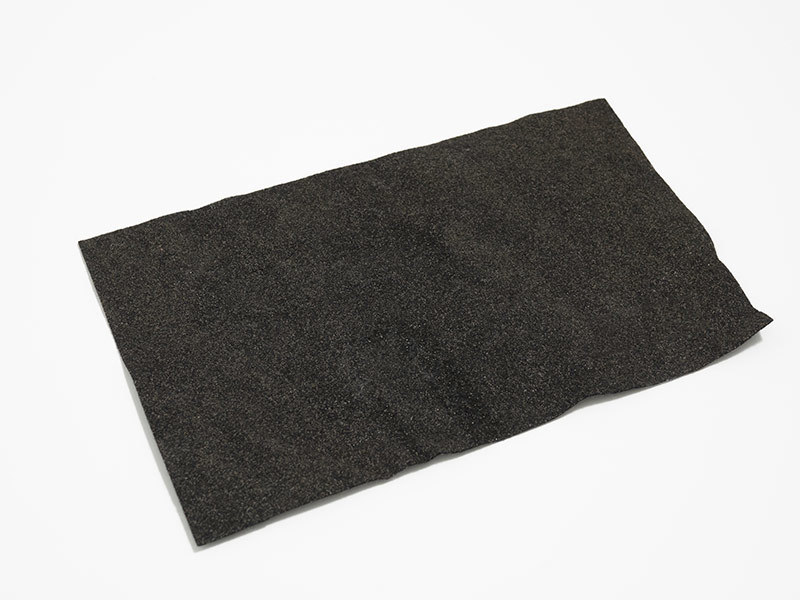
Nonwoven shoe interlining refers to a type of fabric created by bonding fibers together using various techniques such as heat, chemicals, or mechanical means. Unlike traditional woven or knitted fabrics, nonwovens do not require weaving, making them highly versatile and efficient. This technology significantly reduces production time and waste, allowing brands to create footwear that is not only functional but also environmentally responsible.
The Manufacturing Process of Nonwoven Interlining
The production of nonwoven interlining involves several steps that ensure its sustainability. The process typically includes:
1. **Fiber Selection**: Manufacturers often choose recycled or biodegradable fibers, such as polyester or polypropylene, to create nonwoven materials.
2. **Bonding Techniques**: Various bonding techniques—like needle punching, thermal bonding, or chemical bonding—are employed to create the desired texture and strength without using harmful chemicals.
3. **Finishing**: Eco-friendly finishes may be applied to enhance the material’s properties, such as water resistance or durability.
This innovative manufacturing process reduces environmental impact while providing a high-quality product suitable for various footwear applications.
Benefits of Nonwoven Materials in Footwear
Nonwoven shoe interlining offers numerous advantages that contribute to sustainability in the footwear industry:
1. Reduced Waste
By streamlining the production process, nonwoven materials generate less waste compared to traditional fabrics. The absence of weaving means fewer leftover threads and scraps.
2. Lightweight and Breathable
Nonwoven interlining is known for its lightweight nature, which enhances comfort in footwear. Its breathability also allows for better air circulation, reducing moisture buildup and enhancing wearability.
3. Cost-Effective
The efficiency of nonwoven manufacturing translates into cost savings for brands. Lower production costs can lead to more affordable products for consumers without compromising quality.
4. Versatile Applications
Nonwoven materials can be used in various parts of footwear, including linings, insoles, and reinforcement areas. This versatility offers designers the opportunity to innovate while adhering to sustainable practices.
5. Biodegradability
An increasing number of nonwoven materials are being created from biodegradable fibers, ensuring that end-of-life disposal aligns with environmental goals.
Current Eco-Friendly Trends in Footwear
As sustainability becomes a priority in the footwear industry, several trends are emerging:
1. Use of Recycled Materials
Many brands are opting for recycled plastics and textiles to create their footwear. This approach reduces the reliance on virgin materials and diverts waste from landfills.
2. Vegan Footwear
Veganism is on the rise, and many consumers are seeking footwear made from non-animal-derived materials. Nonwoven interlining can serve as an excellent alternative, providing comfort and durability without compromising ethical standards.
3. Energy-Efficient Manufacturing
Companies are increasingly investing in energy-efficient manufacturing processes to minimize their carbon footprint. Nonwoven technologies that require less energy are gaining popularity as a result.
4. Transparency in Supply Chains
Consumers are demanding more transparency regarding how and where their footwear is made. Brands using nonwoven materials often highlight their eco-friendly production practices, appealing to environmentally conscious shoppers.
The Role of Nonwoven Technology in Sustainability
Nonwoven technology is paving the way for a more sustainable future in footwear. By harnessing advanced manufacturing techniques, the industry can produce high-quality materials that meet consumer demands while also addressing environmental concerns.
1. Innovations in Fiber Development
Ongoing research into fiber development has led to the creation of more sustainable options for nonwoven materials. Innovations such as bio-based fibers and recycled content are becoming mainstream, providing brands with new opportunities to enhance their eco-friendly credentials.
2. Lifecycle Assessment
Brands are increasingly conducting lifecycle assessments of their products, evaluating the environmental impact from raw material extraction to end-of-life disposal. Nonwoven interlining often scores well in these assessments due to its efficiency in production and reduced waste.
Challenges and Solutions in Nonwoven Shoe Production
While nonwoven shoe interlining presents many advantages, it is not without challenges:
1. Material Sourcing
Sourcing sustainable materials can be difficult, especially for smaller brands. Establishing relationships with reliable suppliers who prioritize eco-friendly practices can alleviate this issue.
2. Consumer Perception
There may be a misconception that nonwoven materials lack quality or durability. Educating consumers on the benefits and performance of nonwoven interlining is essential for changing perceptions.
3. Technological Investment
Investing in the latest nonwoven technology can be costly. Brands must weigh the long-term benefits against initial expenses and consider partnerships or funding options to ease this transition.
Case Studies: Brands Leading the Way
Several brands are at the forefront of utilizing nonwoven shoe interlining in their sustainable footwear lines:
1. Allbirds
Allbirds has gained recognition for its commitment to sustainability, utilizing nonwoven materials made from recycled plastics in its shoe designs. This innovative approach has not only reduced waste but has also resonated with eco-conscious consumers.
2. Adidas
Adidas has introduced footwear featuring nonwoven interlining derived from ocean plastic waste. This initiative not only addresses the plastic crisis but also sets a benchmark for sustainable practices in the industry.
3. Nike
Nike's Move to Zero campaign aims for zero carbon and zero waste. The brand is increasingly incorporating nonwoven materials into its products, showcasing how sustainability can align with performance and style.
The Future of Nonwoven Interlining in Footwear
As the demand for sustainable footwear continues to rise, the future of nonwoven shoe interlining looks promising. Innovations in material technology are likely to lead to even more efficient production methods, further reducing environmental impact.
1. Expansion of Biodegradable Options
The development of biodegradable nonwoven materials is on the horizon, promising to make end-of-life disposal more sustainable and appealing to eco-minded consumers.
2. Greater Industry Collaboration
Collaboration between brands, suppliers, and technology providers will be crucial in advancing sustainable practices. Shared knowledge and resources can accelerate the adoption of nonwoven technologies and materials across the industry.
3. Increased Consumer Demand for Sustainability
As consumers become more environmentally conscious, brands will need to adapt. Nonwoven shoe interlining stands to benefit from this shift, as more companies seek sustainable materials that meet consumer preferences.
Conclusion
The rise of nonwoven shoe interlining marks a significant advancement in the quest for sustainability within the footwear industry. With its myriad benefits—including reduced waste, lightweight comfort, and versatility—nonwoven materials are well-positioned to lead the charge toward a more eco-friendly future. As brands embrace innovation and prioritize sustainability, consumers can look forward to a new era of footwear that not only meets their needs but also aligns with their ethical values.
FAQs about Nonwoven Shoe Interlining and Sustainability
1. What are the environmental benefits of nonwoven shoe interlining?
Nonwoven shoe interlining reduces waste, utilizes recycled materials, and often employs energy-efficient manufacturing processes, making it a more sustainable option compared to traditional fabrics.
2. How does nonwoven interlining compare to traditional materials?
Nonwoven interlining is typically lighter, more breathable, and can be produced with less waste than traditional woven fabrics, enhancing its appeal for sustainable footwear.
3. Are nonwoven materials durable enough for footwear?
Yes, nonwoven materials can be engineered for durability and performance, making them suitable for a variety of footwear applications.
4. Can nonwoven shoe interlining be recycled?
Many nonwoven materials can be recycled, especially if they are made from synthetic fibers. However, recycling options may vary depending on the specific material composition.
5. What brands are known for using nonwoven materials in their footwear?
Brands like Allbirds, Adidas, and Nike have incorporated nonwoven materials into their sustainable footwear lines, demonstrating a commitment to eco-friendly practices and innovation.
Tag:
Recommended news
Unlocking the Potential of Non-Woven Customization in Textile Industry
The realm of non-woven customization presents an array of opportunities for professionals in the textile industry. Non-woven fabrics, unlike traditional woven textiles, are made by bonding fibers together through mechanical, thermal, or chemical means. This unique manufacturing process allows for a myriad of customized solutions that can cater to specific needs across various applications.
One of

Contact Information
Postcode:211400
Address:Tian'an Village, Xinji Town, Yizheng City


QR code
QR
TikTok