

-
-
-
Solution

-
-
Contact Us
Exploring Durability: Why Non-Woven Fabric is Ideal for Car Linings
Exploring Durability: Why Non-Woven Fabric is Ideal for Car Linings
Table of Contents
- 1. Introduction to Non-Woven Fabrics in Automotive Applications
- 2. What is Non-Woven Fabric?
- 3. Advantages of Non-Woven Fabric for Car Linings
- 3.1 Durability and Strength
- 3.2 Lightweight and Flexible Properties
- 3.3 Sound Absorption Capabilities
- 3.4 Moisture Resistance
- 4. The Manufacturing Process of Non-Woven Fabrics
- 5. Environmental Impact of Non-Woven Fabrics
- 6. Applications of Non-Woven Fabrics in the Automotive Industry
- 7. Future Trends in Non-Woven Fabrics for Automotive Use
- 8. Frequently Asked Questions
- 9. Conclusion
1. Introduction to Non-Woven Fabrics in Automotive Applications
In the rapidly evolving automotive industry, manufacturers continuously seek innovative materials that enhance vehicle performance, comfort, and sustainability. Among these materials, **non-woven fabric** has emerged as a game-changer in car linings. This article explores the outstanding durability and multifaceted applications of non-woven fabric, explaining why it is becoming the preferred choice for automotive interiors.
2. What is Non-Woven Fabric?
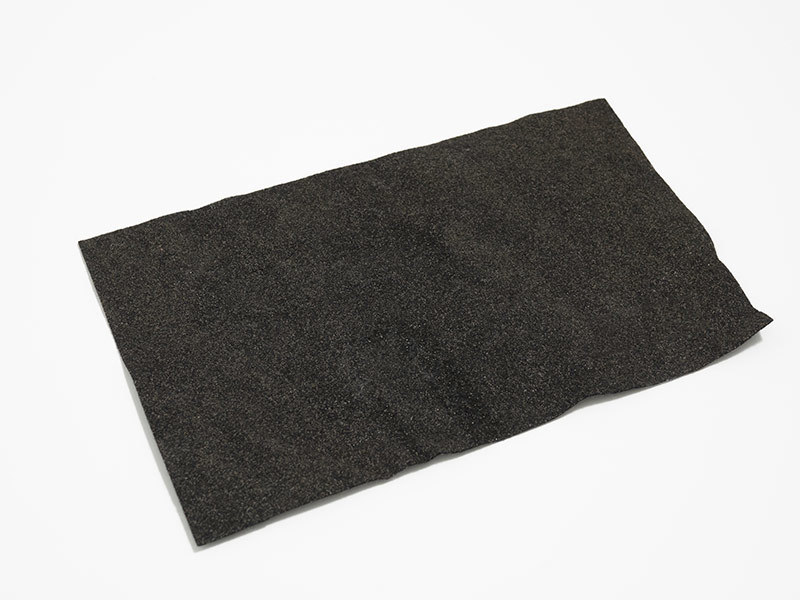
Non-woven fabrics are engineered textiles made by bonding or felting fibers together, rather than weaving them. This process creates a fabric that is both strong and lightweight. The versatility of non-woven fabric lies in its ability to be manufactured in various textures, thicknesses, and colors, making it suitable for a wide range of applications, especially in the automotive sector.
3. Advantages of Non-Woven Fabric for Car Linings
Incorporating non-woven fabrics in car linings offers numerous advantages that enhance both the functionality and aesthetics of vehicles.
3.1 Durability and Strength
Non-woven fabrics are renowned for their impressive durability. Unlike traditional woven fabrics, which can fray or tear easily, non-woven materials maintain their integrity under stress. This durability is critical in automotive applications, where car linings are subjected to wear and tear from regular use. Non-woven fabrics resist abrasion, making them ideal for surfaces that encounter frequent contact.
3.2 Lightweight and Flexible Properties
One of the standout features of non-woven fabric is its lightweight nature. This quality contributes to overall vehicle efficiency, reducing fuel consumption and enhancing performance. Furthermore, the flexibility of non-woven fabrics allows them to conform to various shapes and curves within the car interior, providing an excellent fit and finish.
3.3 Sound Absorption Capabilities
Noise reduction is a significant consideration for automotive manufacturers. Non-woven fabrics excel in sound absorption due to their unique structure, which effectively dampens vibrations and reduces road noise. This acoustic benefit enhances the overall driving experience, making for a quieter and more comfortable ride.
3.4 Moisture Resistance
Cars are often exposed to varying environmental conditions, including humidity and water. Non-woven fabrics exhibit excellent moisture resistance, preventing mold and mildew growth within the car interior. This feature not only contributes to the longevity of the material but also ensures a healthier environment for passengers.
4. The Manufacturing Process of Non-Woven Fabrics
The production of non-woven fabrics involves several stages, each contributing to the final product's quality and performance.
1. **Fiber Selection**: Various fibers, such as polyester, polypropylene, and natural fibers, can be used.
2. **Web Formation**: Fibers are laid down in a web-like structure through processes like carding or air-laying.
3. **Bonding**: The web is bonded using heat, chemicals, or mechanical methods, solidifying the fabric's structure.
4. **Finishing**: Additional treatments may be applied for enhanced properties, such as hydrophobics or softness.
This manufacturing process allows for custom solutions tailored to specific automotive needs.
5. Environmental Impact of Non-Woven Fabrics
As sustainability becomes increasingly important in the automotive sector, the environmental impact of materials is under scrutiny. Non-woven fabrics can be produced from recycled materials, contributing to a circular economy. Furthermore, their lightweight nature reduces overall vehicle emissions, aligning with global efforts to minimize carbon footprints.
The biodegradability of certain non-woven fabrics adds to their appeal, providing a more sustainable alternative compared to traditional synthetic materials.
6. Applications of Non-Woven Fabrics in the Automotive Industry
Non-woven fabrics find application in various components of automotive interiors. These include:
- **Sound Insulation**: Positioned within doors and ceilings to absorb sound.
- **Carpets and Floor Linings**: Offering comfort and aesthetic appeal.
- **Interior Trims**: Used in dashboards and side panels for a sleek finish.
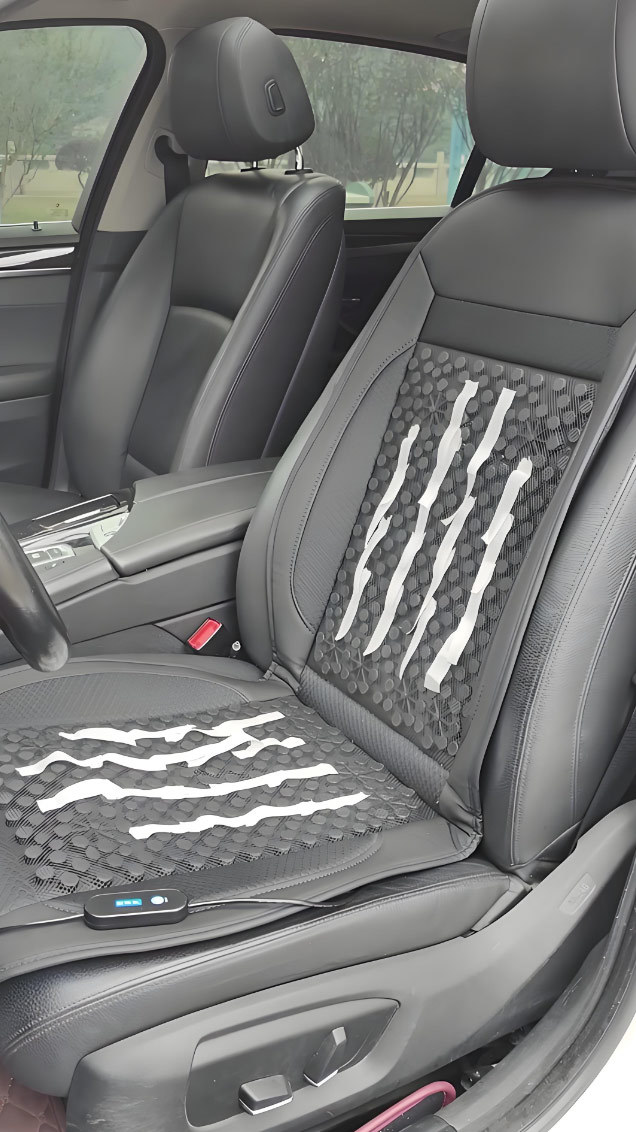
- **Seat Covers**: Providing durability and ease of cleaning.
The versatility of non-woven fabric allows it to meet the diverse needs of automotive manufacturers.
7. Future Trends in Non-Woven Fabrics for Automotive Use
The future of non-woven fabrics in the automotive industry looks promising. As technological advancements continue, we can expect:
- **Smart Textiles**: Integration of sensors for monitoring conditions within the vehicle.
- **Enhanced Sustainability**: Increased use of bio-based and recycled materials.
- **Customization**: Tailored designs and functionalities to cater to specific consumer preferences.
These trends indicate a shift toward more innovative and eco-friendly approaches in automotive manufacturing.
8. Frequently Asked Questions
What are non-woven fabrics made from?
Non-woven fabrics can be made from various fibers, including polyester, polypropylene, and natural fibers. The choice of fiber depends on the intended application and desired properties.
How do non-woven fabrics compare to woven fabrics?
Non-woven fabrics are generally more durable, lightweight, and versatile than woven fabrics. They also offer better sound absorption and moisture resistance, making them ideal for automotive applications.
Are non-woven fabrics environmentally friendly?
Many non-woven fabrics are made from recycled materials, and certain types are biodegradable, making them a more sustainable choice compared to traditional fabrics.
Can non-woven fabrics be customized for specific automotive needs?
Yes, non-woven fabrics can be tailored in terms of texture, thickness, and treatments to meet specific requirements in automotive manufacturing.
What are the key benefits of using non-woven fabrics in car linings?
The key benefits include durability, lightweight design, sound absorption, moisture resistance, and versatility, making them a superior choice for automotive interiors.
9. Conclusion
Non-woven fabric is revolutionizing the automotive industry by providing durable, lightweight, and versatile solutions for car linings. Its numerous advantages, including sound absorption and moisture resistance, make it an ideal choice for enhancing vehicle performance and comfort. As we move towards a more sustainable future, non-woven fabrics will likely play a pivotal role in shaping the next generation of automotive interiors. Embracing these innovative materials aligns with the industry's commitment to sustainability, efficiency, and technological advancement. The journey of non-woven fabrics in the automotive sector is only just beginning, and their potential is vast and exciting.
Tag:
Recommended news
Unlocking the Potential of Non-Woven Customization in Textile Industry
The realm of non-woven customization presents an array of opportunities for professionals in the textile industry. Non-woven fabrics, unlike traditional woven textiles, are made by bonding fibers together through mechanical, thermal, or chemical means. This unique manufacturing process allows for a myriad of customized solutions that can cater to specific needs across various applications.
One of
Contact Information
Postcode:211400
Address:Tian'an Village, Xinji Town, Yizheng City


QR code
QR
TikTok