

-
-
-
Solution

-
-
Contact Us
Understanding Non-Breathable Non-Woven Fabric for Car Seats: Features, Benefits, and Applications
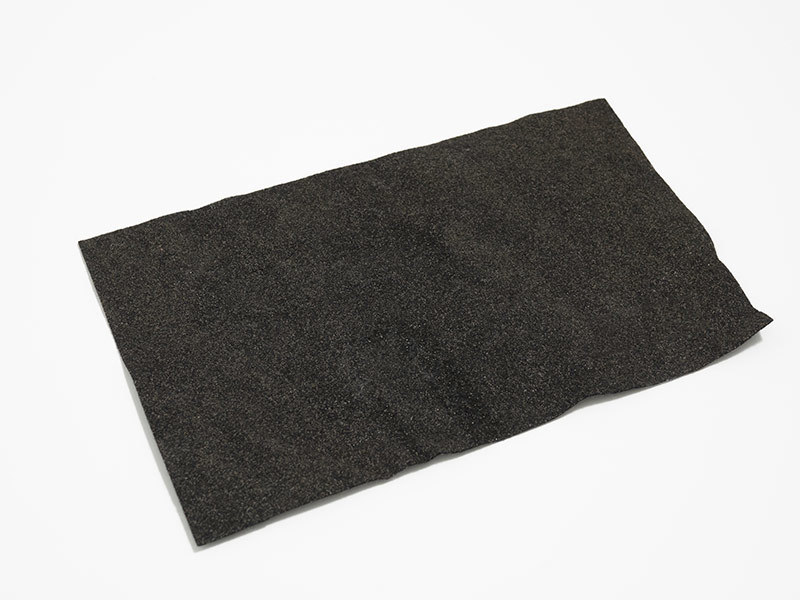
Non-breathable non-woven fabric is an innovative textile solution gaining traction in various industries, particularly in automotive applications like car seats. Unlike traditional woven fabrics, non-woven materials are engineered through a process that involves bonding fibers together, resulting in a fabric that is often more durable and cost-effective. This article delves into the features and advantages of non-breathable non-woven fabric, providing valuable insights for professionals in the textile and automotive sectors.
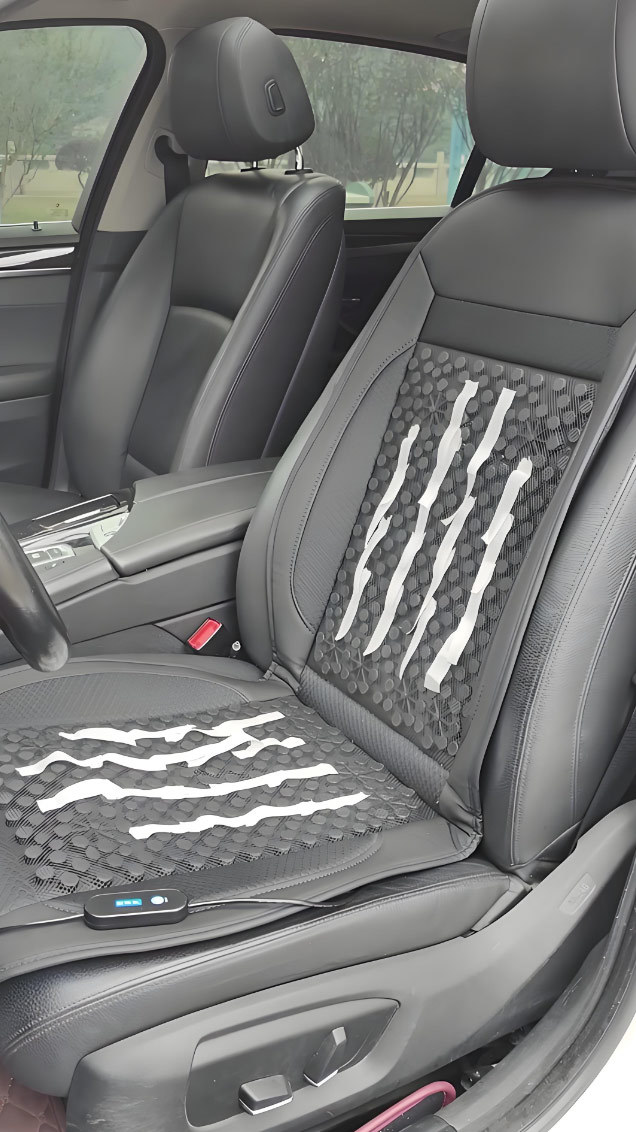
One of the primary features of non-breathable non-woven fabric is its ability to offer a barrier against moisture and air. This property is particularly beneficial for car seats since it helps in protecting the underlying materials from spills and humidity, which can lead to mold and mildew growth over time. Additionally, the non-breathable nature of this fabric can enhance the overall longevity of the seat by providing a protective cover that withstands wear and tear.
The production of non-breathable non-woven fabric involves various methods, including spunbonding and chemical bonding, which contribute to its unique structure. This makes it lightweight yet robust enough to handle everyday stressors encountered in vehicles. Furthermore, the fabric can be engineered to possess specific attributes, such as resistance to chemicals, flames, or abrasions, catering to the diverse needs of the automotive industry.
Another significant advantage of non-breathable non-woven fabric is its ease of maintenance. Unlike some woven materials that may require special cleaning techniques, non-woven fabrics can often be wiped down or cleaned with standard cleaning agents. This feature makes them increasingly appealing for automotive applications, where cleanliness and hygiene are essential.
Moreover, non-breathable non-woven fabrics can be produced in a variety of colors and designs, allowing manufacturers to create aesthetically pleasing car interiors without compromising on functionality. This versatility also opens up opportunities for branding and customization within the automotive sector, enabling designers to tailor car seats to specific market demands or consumer preferences.
In conclusion, non-breathable non-woven fabric offers a myriad of benefits for car seat applications, including moisture protection, durability, ease of maintenance, and design flexibility. Its unique properties make it a preferred choice for automotive manufacturers aiming to enhance vehicle interiors while ensuring long-lasting performance. As the automotive industry continues to evolve, the demand for innovative materials like non-breathable non-woven fabric is likely to grow, providing professionals with exciting opportunities for advancements in vehicle comfort and design.
One of the primary features of non-breathable non-woven fabric is its ability to offer a barrier against moisture and air. This property is particularly beneficial for car seats since it helps in protecting the underlying materials from spills and humidity, which can lead to mold and mildew growth over time. Additionally, the non-breathable nature of this fabric can enhance the overall longevity of the seat by providing a protective cover that withstands wear and tear.
The production of non-breathable non-woven fabric involves various methods, including spunbonding and chemical bonding, which contribute to its unique structure. This makes it lightweight yet robust enough to handle everyday stressors encountered in vehicles. Furthermore, the fabric can be engineered to possess specific attributes, such as resistance to chemicals, flames, or abrasions, catering to the diverse needs of the automotive industry.
Another significant advantage of non-breathable non-woven fabric is its ease of maintenance. Unlike some woven materials that may require special cleaning techniques, non-woven fabrics can often be wiped down or cleaned with standard cleaning agents. This feature makes them increasingly appealing for automotive applications, where cleanliness and hygiene are essential.
Moreover, non-breathable non-woven fabrics can be produced in a variety of colors and designs, allowing manufacturers to create aesthetically pleasing car interiors without compromising on functionality. This versatility also opens up opportunities for branding and customization within the automotive sector, enabling designers to tailor car seats to specific market demands or consumer preferences.
In conclusion, non-breathable non-woven fabric offers a myriad of benefits for car seat applications, including moisture protection, durability, ease of maintenance, and design flexibility. Its unique properties make it a preferred choice for automotive manufacturers aiming to enhance vehicle interiors while ensuring long-lasting performance. As the automotive industry continues to evolve, the demand for innovative materials like non-breathable non-woven fabric is likely to grow, providing professionals with exciting opportunities for advancements in vehicle comfort and design.
Tag:
Recommended news
Unlocking the Potential of Non-Woven Customization in Textile Industry
The realm of non-woven customization presents an array of opportunities for professionals in the textile industry. Non-woven fabrics, unlike traditional woven textiles, are made by bonding fibers together through mechanical, thermal, or chemical means. This unique manufacturing process allows for a myriad of customized solutions that can cater to specific needs across various applications.
One of
Contact Information
Postcode:211400
Address:Tian'an Village, Xinji Town, Yizheng City


QR code
QR
TikTok