

-
-
-
Solution

-
-
Contact Us
Understanding Nonwoven Fabric for Car Headliners: A Comprehensive Guide
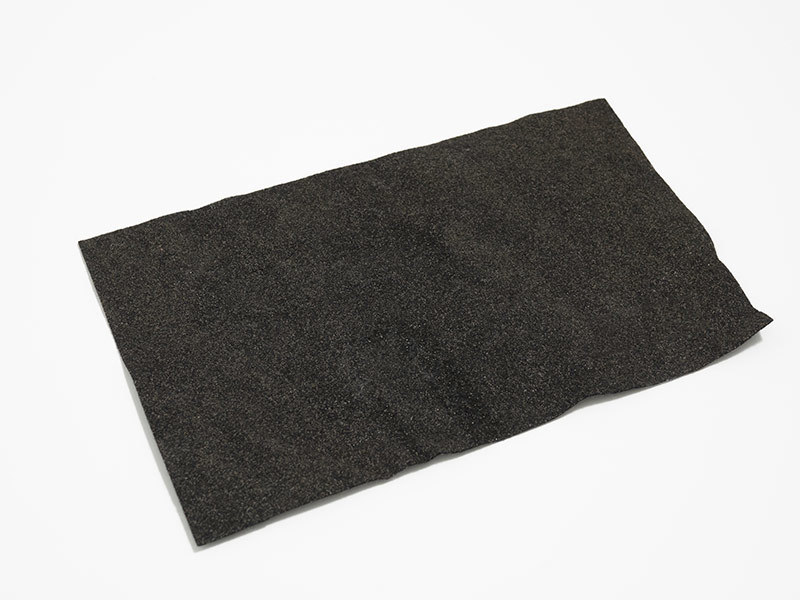
Nonwoven fabric has increasingly become an integral component in the automotive sector, particularly for car headliners. This innovative material is composed of fibers that are bonded together through various means, such as heat, chemical, or mechanical processes, resulting in a fabric that exhibits unique properties suitable for automotive applications.
One of the primary advantages of nonwoven fabric for car headliners is its lightweight nature. This characteristic is crucial in the automotive industry, where manufacturers strive to enhance fuel efficiency by reducing the overall weight of vehicles. The reduced weight of nonwoven headliners contributes to lower fuel consumption while maintaining structural integrity and sound insulation.
Additionally, nonwoven fabric offers excellent acoustic properties. It acts as a sound-dampening barrier, significantly reducing noise within the cabin. This improvement in sound quality enhances the overall driving experience, making it more comfortable and enjoyable for passengers. The ability to customize the acoustic properties of nonwoven fabrics further allows manufacturers to tailor their products to meet specific vehicle requirements.
Another notable feature of nonwoven fabric is its versatility. This material can be engineered to achieve various textures, colors, and finishes, providing designers with ample opportunities to create aesthetically pleasing interiors. Nonwoven fabrics can mimic the appearance of traditional textiles while offering superior performance in terms of durability and maintenance.
In terms of environmental impact, many nonwoven fabrics are produced from recyclable materials, which aligns with the automotive industry's growing emphasis on sustainability. The production processes for these fabrics often use less water and energy compared to woven textiles, making them a more eco-friendly option.
Furthermore, nonwoven fabrics are resistant to mold and mildew, which is essential for vehicle interiors that may be exposed to moisture. This resistance helps maintain a clean and hygienic environment within the car, contributing to the longevity of the headliner and overall vehicle interior.
In conclusion, nonwoven fabric for car headliners represents a blend of functionality, aesthetics, and sustainability. Its lightweight structure, excellent sound-dampening capabilities, versatility in design, and environmental benefits position it as a superior choice for automotive manufacturers. As the industry continues to evolve, the role of nonwoven fabrics will likely expand, driving innovation and offering new possibilities for vehicle interior design. By leveraging these advantages, manufacturers can enhance their offerings and meet the demands of modern consumers seeking both performance and style.
One of the primary advantages of nonwoven fabric for car headliners is its lightweight nature. This characteristic is crucial in the automotive industry, where manufacturers strive to enhance fuel efficiency by reducing the overall weight of vehicles. The reduced weight of nonwoven headliners contributes to lower fuel consumption while maintaining structural integrity and sound insulation.
Additionally, nonwoven fabric offers excellent acoustic properties. It acts as a sound-dampening barrier, significantly reducing noise within the cabin. This improvement in sound quality enhances the overall driving experience, making it more comfortable and enjoyable for passengers. The ability to customize the acoustic properties of nonwoven fabrics further allows manufacturers to tailor their products to meet specific vehicle requirements.
Another notable feature of nonwoven fabric is its versatility. This material can be engineered to achieve various textures, colors, and finishes, providing designers with ample opportunities to create aesthetically pleasing interiors. Nonwoven fabrics can mimic the appearance of traditional textiles while offering superior performance in terms of durability and maintenance.
In terms of environmental impact, many nonwoven fabrics are produced from recyclable materials, which aligns with the automotive industry's growing emphasis on sustainability. The production processes for these fabrics often use less water and energy compared to woven textiles, making them a more eco-friendly option.
Furthermore, nonwoven fabrics are resistant to mold and mildew, which is essential for vehicle interiors that may be exposed to moisture. This resistance helps maintain a clean and hygienic environment within the car, contributing to the longevity of the headliner and overall vehicle interior.
In conclusion, nonwoven fabric for car headliners represents a blend of functionality, aesthetics, and sustainability. Its lightweight structure, excellent sound-dampening capabilities, versatility in design, and environmental benefits position it as a superior choice for automotive manufacturers. As the industry continues to evolve, the role of nonwoven fabrics will likely expand, driving innovation and offering new possibilities for vehicle interior design. By leveraging these advantages, manufacturers can enhance their offerings and meet the demands of modern consumers seeking both performance and style.
Tag:
Recommended news
Unlocking the Potential of Non-Woven Customization in Textile Industry
The realm of non-woven customization presents an array of opportunities for professionals in the textile industry. Non-woven fabrics, unlike traditional woven textiles, are made by bonding fibers together through mechanical, thermal, or chemical means. This unique manufacturing process allows for a myriad of customized solutions that can cater to specific needs across various applications.
One of
Contact Information
Postcode:211400
Address:Tian'an Village, Xinji Town, Yizheng City


QR code
QR
TikTok