

-
-
-
Solution

-
-
Contact Us
Top Trends in Car Lining Materials: The Rise of Non-Woven Fabrics
Top Trends in Car Lining Materials: The Rise of Non-Woven Fabrics
Introduction to Car Lining Materials
The automotive industry is constantly evolving, driven by technological advancements, consumer preferences, and environmental considerations. One of the critical components of vehicle manufacturing is the choice of materials used for car interiors. Car lining materials play a vital role in the overall comfort, aesthetics, and functionality of vehicles. Among these, **non-woven fabrics** have emerged as a significant trend, offering numerous advantages over traditional materials.
Understanding Non-Woven Fabrics
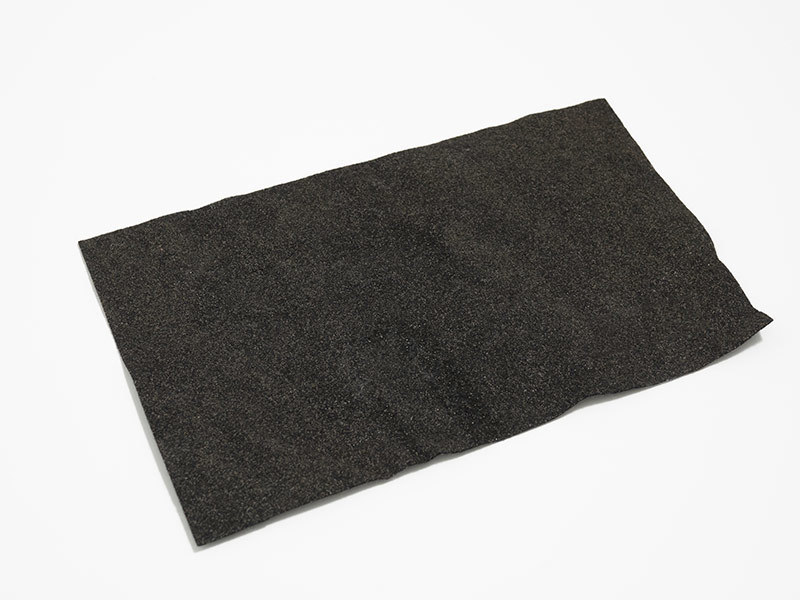
Non-woven fabrics are engineered textiles made from fibers that are bonded together through various methods rather than being woven or knitted. These innovative materials are known for their lightweight, durability, and flexibility, making them increasingly popular in the automotive sector.
What Sets Non-Woven Fabrics Apart?
Non-woven fabrics are distinguished by their unique production processes, which include techniques such as thermal bonding, chemical bonding, and mechanical bonding. These methods result in a variety of textures and properties suited for various applications within car interiors, such as sound insulation, aesthetic finishes, and moisture barriers.
Benefits of Non-Woven Fabrics in Automotive Applications
1. **Lightweight Properties**: Non-woven fabrics are significantly lighter than traditional materials, contributing to reduced vehicle weight and improved fuel efficiency.
2. **Sound Absorption**: These fabrics excel in sound dampening capabilities, enhancing the overall driving experience by minimizing noise inside the cabin.
3. **Cost-Effectiveness**: The production of non-woven materials can be more economical than that of woven fabrics, leading to lower manufacturing costs for automotive producers.
4. **Sustainability**: Many non-woven fabrics are made from recycled materials or can be recycled themselves, aligning with the growing demand for eco-friendly products in the automotive industry.
5. **Versatility**: They can be produced in various thicknesses, colors, and patterns, allowing automotive designers to create customized interiors that meet specific brand identities and consumer preferences.
The Role of Non-Woven Fabrics in Enhancing Automotive Interiors
As car manufacturers strive to create more luxurious and comfortable interiors, non-woven fabrics are becoming increasingly integral to their designs.
Applications of Non-Woven Fabrics in Car Interiors
1. **Headliners**: Non-woven fabrics are commonly used in headliners to provide a soft touch and reduce noise.
2. **Door Panels**: The lightweight nature of non-woven materials makes them ideal for door panels, enhancing aesthetic appeal while providing structural support.
3. **Flooring**: Non-woven fabrics can serve as a base material for carpeting, offering excellent durability and ease of maintenance.
4. **Upholstery**: With options for various textures and finishes, non-woven fabrics are now used in upholstery for seats, providing comfort and style.
Innovations in Non-Woven Fabric Technology
The evolution of non-woven fabric technology has ushered in a new era for automotive manufacturers. Innovations such as **3D non-woven fabrics** and **bio-based non-woven materials** are setting new standards for performance and sustainability. 3D non-woven designs allow for complex shapes and textures, enhancing both aesthetics and functionality within the vehicle. Bio-based options made from renewable resources are appealing to environmentally conscious consumers.
Sustainability in Automotive Manufacturing: Non-Woven Fabrics Leading the Way
Sustainability is at the forefront of automotive manufacturing today. With the global push for reducing carbon footprints and minimizing waste, non-woven fabrics are stepping up to meet these demands.
Recycling and Reusability of Non-Woven Fabrics
Many non-woven materials can be recycled at the end of their lifecycle, reducing landfill waste and promoting circularity in textile production. Additionally, advancements in production technology allow for the integration of post-consumer recycled materials into new non-woven fabrics, further supporting sustainability efforts.
Eco-Friendly Alternatives in Non-Woven Fabric Production
Manufacturers are increasingly exploring eco-friendly alternatives for producing non-woven fabrics. This includes the use of natural fibers such as hemp, jute, and bamboo, which not only reduce reliance on petroleum-based materials but also contribute to a lower environmental impact.
Market Trends and Future Outlook for Non-Woven Fabrics in Automotive
As consumer preferences shift towards sustainability and functionality, the demand for non-woven fabrics in the automotive industry is expected to rise significantly.
Current Market Trends
1. **Increased Demand for Lightweight Materials**: Automakers are prioritizing lightweight materials to enhance fuel efficiency and meet regulatory standards.
2. **Growth of Electric Vehicles**: The rise of electric vehicles (EVs) has further accelerated the demand for innovative materials that contribute to overall vehicle performance. Non-woven fabrics are becoming a staple in the interiors of EVs due to their energy efficiency.
3. **Customization and Aesthetics**: Non-woven fabrics are being utilized to create unique and customizable interior designs that appeal to modern consumers looking for personalization in their vehicles.
Future Developments in Non-Woven Technology
The future of non-woven fabrics in automotive applications appears promising. Continuous research and development are likely to lead to even more advanced materials with enhanced properties, such as improved flame resistance and advanced moisture-wicking capabilities.
Challenges Faced by Non-Woven Fabrics in the Automotive Sector
Despite their numerous advantages, several challenges remain for non-woven fabrics in the automotive industry.
Potential Limitations
1. **Durability Concerns**: While non-woven fabrics offer many benefits, their durability in high-wear applications can be a concern. Manufacturers must ensure that these materials meet the necessary performance standards.
2. **Market Competition**: The popularity of traditional materials and competing technologies poses challenges for the wider adoption of non-woven fabrics in automotive manufacturing.
3. **Regulatory Compliance**: Non-woven fabrics must meet various safety and environmental regulations, which can complicate their development and integration into vehicle design.
Strategies for Overcoming Challenges
To successfully navigate these challenges, manufacturers should invest in research and development, collaborate with suppliers for innovative solutions, and actively engage in sustainability initiatives to bolster the case for non-woven fabrics in automotive applications.
Frequently Asked Questions (FAQs)
1. What are non-woven fabrics?
Non-woven fabrics are textiles made from fibers that are bonded together through various methods, such as thermal, chemical, or mechanical bonding, rather than being woven or knitted.
2. Why are non-woven fabrics becoming popular in the automotive industry?
Their lightweight nature, sound absorption properties, cost-effectiveness, versatility, and sustainability make non-woven fabrics increasingly appealing to automotive manufacturers.
3. What are the applications of non-woven fabrics in car interiors?
Non-woven fabrics are used in headliners, door panels, flooring, and upholstery, enhancing both aesthetics and functionality.
4. How do non-woven fabrics contribute to sustainability?
Many non-woven fabrics can be made from recycled materials and can be recycled themselves, reducing environmental impact and promoting circularity in textile production.
5. What are the future trends for non-woven fabrics in automotive manufacturing?
The demand for lightweight materials, the growth of electric vehicles, and customization in design are expected to drive the future of non-woven fabrics in the automotive sector.
Conclusion
As the automotive industry continues to evolve, non-woven fabrics are poised to play a critical role in shaping the future of car interiors. Their unique properties and sustainable advantages not only enhance the aesthetic appeal of vehicles but also improve functionality and contribute to environmental goals. By embracing non-woven technology, automotive manufacturers can create innovative, stylish, and eco-friendly interiors that meet the demands of modern consumers. As we look ahead, the rise of non-woven fabrics in the automotive sector reflects a broader trend towards sustainability and efficiency, marking a significant turning point in vehicle design and material selection.
Tag:
Recommended news
Unlocking the Potential of Non-Woven Customization in Textile Industry
The realm of non-woven customization presents an array of opportunities for professionals in the textile industry. Non-woven fabrics, unlike traditional woven textiles, are made by bonding fibers together through mechanical, thermal, or chemical means. This unique manufacturing process allows for a myriad of customized solutions that can cater to specific needs across various applications.
One of

Contact Information
Postcode:211400
Address:Tian'an Village, Xinji Town, Yizheng City


QR code
QR
TikTok