

-
-
-
Solution

-
-
Contact Us
Geomembrane Composite Fabric: The Ultimate Solution for Waste Containment
Geomembrane Composite Fabric: The Ultimate Solution for Waste Containment
Table of Contents
- Introduction to Geomembrane Composite Fabric
- What is Geomembrane Composite Fabric?
- Benefits of Using Geomembrane Composite Fabric for Waste Containment
- Applications of Geomembrane Composite Fabric
- The Manufacturing Process of Geomembrane Composite Fabric
- Installation Guidelines for Optimal Performance
- Maintenance and Care for Longevity
- Future Trends in Geomembrane Technology
- Conclusion
- Frequently Asked Questions
Introduction to Geomembrane Composite Fabric
In an era defined by increasing environmental concerns, effective waste containment has become more crucial than ever. As industries evolve, the need for innovative solutions that can withstand harsh conditions while protecting our ecosystem is paramount. **Geomembrane composite fabric** emerges as a versatile solution, specifically designed to tackle the challenges of waste containment. This comprehensive article explores the ins and outs of geomembrane composite fabric, detailing its benefits, applications, and more.
What is Geomembrane Composite Fabric?
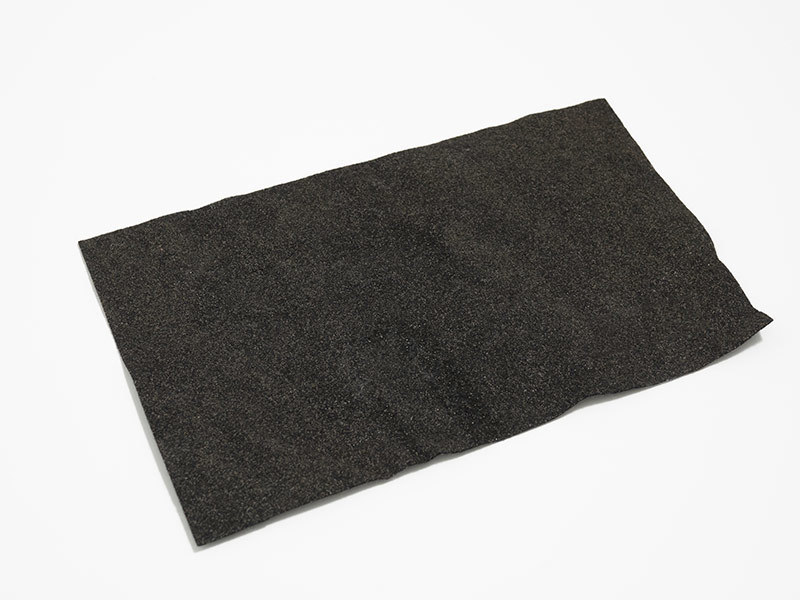
**Geomembrane composite fabric** is a synthetic barrier used to contain liquids and gases in various industrial applications, primarily focusing on waste management. Composed of high-quality polymers, this fabric integrates multiple layers to enhance its performance. The composite nature often includes a geotextile layer, providing added strength and resilience. Its unique manufacturing process allows for customization, making it suitable for diverse environments and conditions.
Benefits of Using Geomembrane Composite Fabric for Waste Containment
Durability and Strength
One of the standout features of geomembrane composite fabric is its exceptional **durability**. Engineered to withstand harsh environmental conditions, this material can resist punctures, tears, and UV degradation. Its robust nature ensures that it remains effective over extended periods, making it ideal for waste management applications where structural integrity is crucial.
Environmental Protection
**Environmental safeguarding** is a significant concern for industries dealing with waste. Geomembrane composite fabric plays a pivotal role in preventing leachate and other harmful substances from contaminating surrounding soil and water sources. The impermeability of this fabric acts as a protective barrier, ensuring that the ecosystem remains untainted.
Cost-Effectiveness
Investing in geomembrane composite fabric provides long-term **cost savings**. Although the initial investment may seem substantial, its durability translates to reduced maintenance and replacement costs. Over time, industries benefit from lower operational costs, making it a financially sound choice for waste containment solutions.
Applications of Geomembrane Composite Fabric
Geomembrane composite fabric is utilized across a wide array of industries, each benefiting from its unique properties. Below, we delve into some of the most common applications.
Landfills
In landfill operations, geomembrane composite fabric serves as a critical component in **waste containment systems**. By lining the landfill cells, it prevents leachate from escaping and contaminating groundwater. Additionally, its strength supports the weight of waste materials above, ensuring stability and longevity.
Mining Operations
The mining industry employs geomembrane composite fabric for various purposes, including tailings storage and heap leaching. Its ability to withstand harsh chemicals and extreme temperatures makes it particularly valuable in these environments. The fabric effectively contains hazardous materials, ensuring compliance with environmental regulations.
Water Management Systems
Effective water management is essential for various industries, including agriculture, construction, and municipal services. Geomembrane composite fabric is extensively used in **pond liners, reservoirs, and irrigation systems** to prevent water loss through seepage. Its robustness and flexibility allow for seamless integration into existing systems.
The Manufacturing Process of Geomembrane Composite Fabric
The manufacturing of geomembrane composite fabric involves several intricate steps to ensure quality and performance. Initially, high-grade polymer resins are selected based on the desired properties of the final product. These resins undergo a melting and extrusion process, forming a continuous sheet.
Subsequently, the geotextile layer is bonded to the geomembrane. This layer enhances the composite fabric's strength and protection against punctures. Finally, quality control measures are implemented to ensure that the product meets industry standards and specifications, making it ready for deployment in various applications.
Installation Guidelines for Optimal Performance
To maximize the performance of geomembrane composite fabric, proper installation is crucial. Here are some key guidelines:
1. **Site Preparation:** Ensure the installation site is clean and free of debris. Any sharp objects or uneven surfaces should be removed to prevent damage to the fabric.
2. **Seaming Techniques:** Use appropriate seaming methods, such as welding or adhesive bonding, to ensure a secure connection between geomembrane sections.
3. **Testing Integrity:** After installation, conduct integrity tests to identify any potential leaks or weaknesses in the seams or material.
4. **Monitoring:** Regularly monitor the installation for signs of wear or damage, and address any issues promptly to maintain effectiveness.
Maintenance and Care for Longevity
While geomembrane composite fabric is designed for durability, proper maintenance extends its lifespan. Regular inspections should be conducted to check for any signs of wear, punctures, or UV degradation. If damage occurs, prompt repairs using appropriate materials are essential to maintaining the integrity of the containment system.
Additionally, keeping the installation area free from debris and sharp objects will help prevent unnecessary wear. Applying protective coatings can also enhance UV resistance, ensuring that the fabric remains effective over time.
Future Trends in Geomembrane Technology
As technology continues to advance, the geomembrane industry is evolving to meet the growing demands of waste containment. Innovations such as bio-based geomembranes, which utilize renewable materials, are gaining traction. These eco-friendly options aim to reduce the environmental impact of synthetic materials while maintaining performance standards.
Furthermore, advancements in manufacturing processes are leading to enhanced durability and customization options, allowing geomembrane composite fabric to meet specific application needs. The integration of smart technology, such as embedded sensors, can provide real-time monitoring of the containment system's integrity, contributing to proactive maintenance and environmental protection.
Conclusion
In conclusion, geomembrane composite fabric stands out as a versatile and effective solution for waste containment across various industries. Its durability, environmental protection capabilities, and cost-effectiveness make it an indispensable material in modern waste management strategies. With its wide-ranging applications and ongoing advancements in technology, geomembrane composite fabric is poised to play a critical role in addressing future waste containment challenges.
Frequently Asked Questions
1. What is the primary purpose of geomembrane composite fabric?
Geomembrane composite fabric is primarily used to contain liquids and gases, especially in waste management applications, preventing contamination of soil and groundwater.
2. How long does geomembrane composite fabric typically last?
The lifespan of geomembrane composite fabric can vary, but with proper installation and maintenance, it can last for several decades, often exceeding 30 years.
3. Can geomembrane composite fabric be repaired if damaged?
Yes, geomembrane composite fabric can be repaired using specialized methods, including welding or adhesive bonding, to maintain its integrity.
4. Is geomembrane composite fabric environmentally friendly?
While traditional geomembrane materials are synthetic, advancements in the industry are leading to the development of eco-friendly options made from renewable resources.
5. What industries commonly use geomembrane composite fabric?
Industries such as landfills, mining, agriculture, and water management extensively use geomembrane composite fabric for effective containment solutions.
Tag:
Recommended news
Unlocking the Potential of Non-Woven Customization in Textile Industry
The realm of non-woven customization presents an array of opportunities for professionals in the textile industry. Non-woven fabrics, unlike traditional woven textiles, are made by bonding fibers together through mechanical, thermal, or chemical means. This unique manufacturing process allows for a myriad of customized solutions that can cater to specific needs across various applications.
One of

Contact Information
Postcode:211400
Address:Tian'an Village, Xinji Town, Yizheng City


QR code
QR
TikTok