

-
-
-
Solution

-
-
Contact Us
Unlocking the Potential of Coconut Shell Rag Nonwoven Fabrics in the Textile Industry
Coconut Shell Rag Nonwoven fabrics represent a remarkable advancement in sustainable textile technology. Made from the fibrous waste of coconut shells, these nonwoven materials provide an eco-friendly alternative to conventional textiles. The process begins with the collection of coconut husks, which are then processed to extract the fibers. These fibers are further transformed into nonwoven fabrics through various manufacturing techniques, enabling a versatile range of applications.
One of the primary advantages of Coconut Shell Rag Nonwoven fabrics is their biodegradability. Unlike synthetic textiles, which can take hundreds of years to decompose, coconut-based textiles degrade naturally, making them an environmentally friendly choice for consumers and manufacturers alike. This attribute aligns well with the growing trend towards sustainability in the textile industry, where eco-consciousness is becoming a key factor in purchasing decisions.
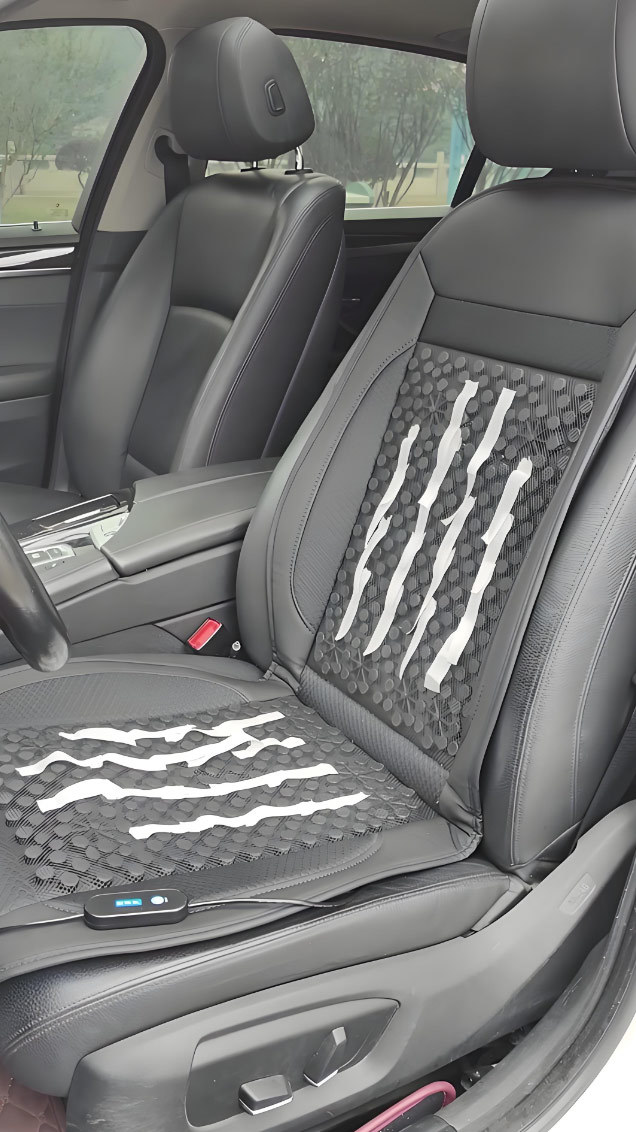
In addition to their environmental benefits, Coconut Shell Rag Nonwoven fabrics boast impressive mechanical properties. They possess good tensile strength and durability, making them suitable for a variety of applications, including geotextiles, automotive interiors, and home furnishings. Their lightweight nature also enhances their versatility, allowing them to be used in products ranging from disposable hygiene items to durable industrial textiles.
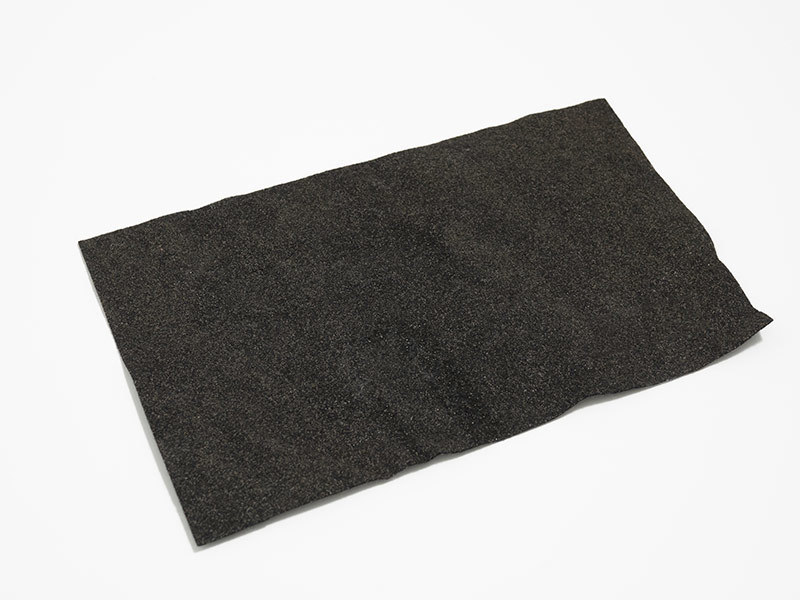
The unique texture of Coconut Shell Rag Nonwoven fabrics can provide aesthetic appeal, making them an attractive option for designers seeking innovative materials. The natural color variations in the fibers can enhance the visual interest of products, while their inherent softness contributes to comfort in applications such as apparel and upholstery.
Moreover, these fabrics can be treated with various finishes and coatings to enhance specific properties such as water resistance, flame retardance, or antimicrobial features. This adaptability allows manufacturers to customize Coconut Shell Rag Nonwoven fabrics to meet the particular needs of diverse industries, from fashion to healthcare.
Furthermore, the use of coconut shell fibers in nonwoven textiles supports local economies in coconut-producing regions. By utilizing agricultural waste, this approach not only reduces waste but also provides new income streams for farmers and communities involved in coconut cultivation.
As the demand for sustainable and innovative materials continues to grow, Coconut Shell Rag Nonwoven fabrics are poised to play a significant role in the future of the textile industry. Their unique combination of environmental friendliness, mechanical strength, and aesthetic versatility makes them a compelling option for manufacturers and designers alike.
In conclusion, Coconut Shell Rag Nonwoven fabrics offer a promising avenue for the development of sustainable textiles. Their application across various industries, combined with their ecological benefits, positions them as a valuable resource in the modern textile landscape. Embracing such materials can lead to a more sustainable future, fostering both innovation and environmental responsibility in the textile sector.
One of the primary advantages of Coconut Shell Rag Nonwoven fabrics is their biodegradability. Unlike synthetic textiles, which can take hundreds of years to decompose, coconut-based textiles degrade naturally, making them an environmentally friendly choice for consumers and manufacturers alike. This attribute aligns well with the growing trend towards sustainability in the textile industry, where eco-consciousness is becoming a key factor in purchasing decisions.
In addition to their environmental benefits, Coconut Shell Rag Nonwoven fabrics boast impressive mechanical properties. They possess good tensile strength and durability, making them suitable for a variety of applications, including geotextiles, automotive interiors, and home furnishings. Their lightweight nature also enhances their versatility, allowing them to be used in products ranging from disposable hygiene items to durable industrial textiles.
The unique texture of Coconut Shell Rag Nonwoven fabrics can provide aesthetic appeal, making them an attractive option for designers seeking innovative materials. The natural color variations in the fibers can enhance the visual interest of products, while their inherent softness contributes to comfort in applications such as apparel and upholstery.
Moreover, these fabrics can be treated with various finishes and coatings to enhance specific properties such as water resistance, flame retardance, or antimicrobial features. This adaptability allows manufacturers to customize Coconut Shell Rag Nonwoven fabrics to meet the particular needs of diverse industries, from fashion to healthcare.
Furthermore, the use of coconut shell fibers in nonwoven textiles supports local economies in coconut-producing regions. By utilizing agricultural waste, this approach not only reduces waste but also provides new income streams for farmers and communities involved in coconut cultivation.
As the demand for sustainable and innovative materials continues to grow, Coconut Shell Rag Nonwoven fabrics are poised to play a significant role in the future of the textile industry. Their unique combination of environmental friendliness, mechanical strength, and aesthetic versatility makes them a compelling option for manufacturers and designers alike.
In conclusion, Coconut Shell Rag Nonwoven fabrics offer a promising avenue for the development of sustainable textiles. Their application across various industries, combined with their ecological benefits, positions them as a valuable resource in the modern textile landscape. Embracing such materials can lead to a more sustainable future, fostering both innovation and environmental responsibility in the textile sector.
Tag:
Recommended news
Unlocking the Potential of Non-Woven Customization in Textile Industry
The realm of non-woven customization presents an array of opportunities for professionals in the textile industry. Non-woven fabrics, unlike traditional woven textiles, are made by bonding fibers together through mechanical, thermal, or chemical means. This unique manufacturing process allows for a myriad of customized solutions that can cater to specific needs across various applications.
One of
Contact Information
Postcode:211400
Address:Tian'an Village, Xinji Town, Yizheng City


QR code
QR
TikTok