

-
-
-
Solution

-
-
Contact Us
Nonwoven Geobags: A Cost-Effective Solution for Geotechnical Challenges
Understanding Nonwoven Geobags and Their Role in Geotechnical Engineering
In the realm of geotechnical engineering, challenges such as erosion control, sediment management, and environmental protection are of paramount importance. Nonwoven geobags have emerged as a vital tool in tackling these issues effectively and affordably. By providing a cost-effective solution that combines durability and functionality, nonwoven geobags are increasingly being adopted across various projects.
What Are Nonwoven Geobags?
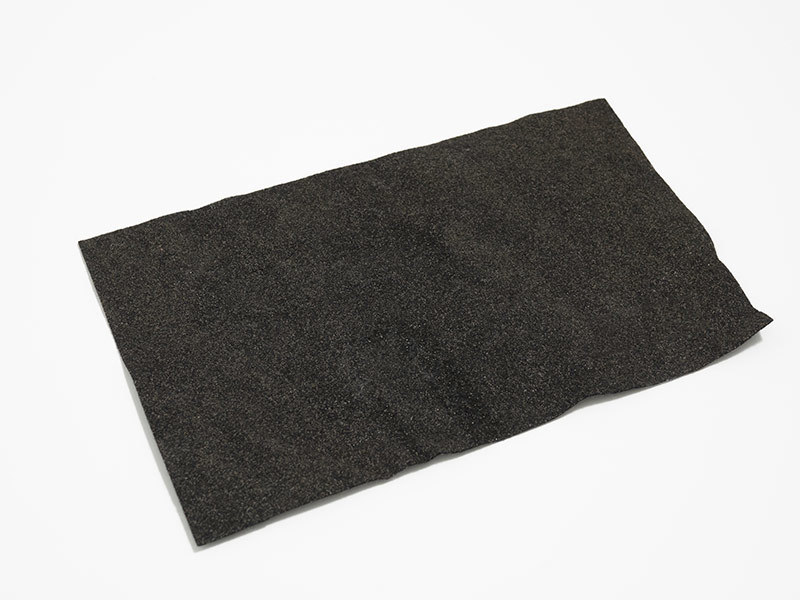
Nonwoven geobags are engineered fabric containers made from synthetic or natural fibers, designed to hold soil or other materials. Unlike traditional woven bags, nonwoven geobags are manufactured through a process that entangles fibers rather than weaving them together, resulting in unique properties that enhance their performance in various applications.
Key Properties of Nonwoven Geobags
Understanding the properties of nonwoven geobags is crucial for appreciating their effectiveness in geotechnical applications:
1. High Permeability
Nonwoven geobags are highly permeable, allowing water to flow through while retaining soil. This feature makes them ideal for erosion control and sediment management, as it helps prevent waterlogging and promotes drainage.
2. Strength and Durability
Manufactured from robust materials, nonwoven geobags exhibit excellent tensile strength and durability. They can withstand harsh environmental conditions, making them suitable for long-term applications.
3. Lightweight and Easy to Handle
The lightweight nature of nonwoven geobags makes them easy to transport and install. This characteristic is especially beneficial in remote areas where heavy machinery may not be accessible.
4. Environmental Sustainability
Many nonwoven geobags are made from biodegradable materials, making them an environmentally friendly choice. They can naturally decompose over time, reducing their impact on the ecosystem.
Applications of Nonwoven Geobags in Geotechnical Projects
Nonwoven geobags are versatile and can be utilized in various geotechnical applications. Here are some common uses:
1. Erosion Control
Erosion caused by wind and water can lead to significant land degradation. Nonwoven geobags can be strategically placed to create barriers that protect the soil while allowing vegetation to grow, thus stabilizing the area.
2. Sediment Management
In construction sites or riverbanks, sediment runoff can pose a considerable challenge. Nonwoven geobags can capture sediment, preventing it from contaminating waterways and promoting cleaner environments.
3. Shoreline Protection
Nonwoven geobags are increasingly being used in coastal engineering projects for shoreline protection. They can be stacked and filled with sand or soil to create barriers against waves, protecting coastal infrastructure.
4. Landfill and Waste Management
In landfill operations, nonwoven geobags can be utilized to manage leachate and prevent soil contamination. Their permeability allows for the safe drainage of liquids, enhancing landfill efficiency.
Benefits of Using Nonwoven Geobags
The adoption of nonwoven geobags offers numerous advantages over traditional methods of erosion control and sediment management:
1. Cost-Effectiveness
Nonwoven geobags are a cost-effective alternative to traditional solutions. Their lightweight design reduces transportation and installation costs while providing effective results.
2. Quick Installation
The ease of handling and installation means that nonwoven geobags can be deployed quickly, making them ideal for emergency interventions and time-sensitive projects.
3. Versatile Application
The adaptability of nonwoven geobags allows them to be used in various environments and situations, ensuring that they meet the specific needs of each project.
4. Reduced Environmental Impact
By using biodegradable materials, nonwoven geobags minimize environmental disturbances, promoting sustainable practices in construction and engineering.
Choosing the Right Nonwoven Geobag for Your Project
Selecting the appropriate nonwoven geobag requires careful consideration of several factors:
1. Material Composition
Different materials provide varying strengths and durability. It is essential to choose geobags that align with the specific demands of your project.
2. Size and Capacity
Evaluate the size and volume of the area where the geobags will be implemented. Selecting the right size will ensure optimal performance and effectiveness.
3. Environmental Conditions
Consider the environmental conditions of the project site, including soil type, moisture levels, and exposure to elements. This information will guide you in selecting the most suitable geobag.
Installation and Maintenance of Nonwoven Geobags
Proper installation and maintenance are vital to ensuring the effectiveness of nonwoven geobags in geotechnical applications.
1. Site Preparation
Before installation, prepare the site by clearing debris and vegetation. A stable base is crucial for the successful placement of nonwoven geobags.
2. Filling and Sealing Geobags
Fill the geobags with the appropriate material, ensuring they are adequately packed to maintain shape and stability. Seal the openings securely to prevent spillage.
3. Proper Placement
Position the filled geobags in a staggered formation to enhance stability and prevent water flow through gaps. Ensure that they are anchored securely to avoid displacement.
4. Regular Inspection and Maintenance
Conduct regular inspections to check for wear and tear. Address any issues promptly, such as resealing or replacing damaged geobags, to maintain their efficacy.
Case Studies: Successful Implementation of Nonwoven Geobags
Real-world examples provide insight into the effectiveness of nonwoven geobags in addressing complex geotechnical challenges.
1. Coastal Restoration Project
In a coastal restoration project, nonwoven geobags were used to create a buffer zone against storm surges. Their ability to withstand harsh marine conditions proved instrumental in protecting coastal communities.
2. Riverbank Stabilization
In a riverbank stabilization project, nonwoven geobags were deployed to manage sediment runoff and stabilize the bank. The results showed significant erosion control and improved water quality.
3. Landfill Leachate Management
A landfill project utilized nonwoven geobags to manage leachate effectively. The permeable nature of the bags allowed for safe drainage, minimizing environmental contamination.
Frequently Asked Questions (FAQs)
1. What materials are used to make nonwoven geobags?
Nonwoven geobags are typically made from synthetic fibers such as polypropylene or polyester, but they can also be made from biodegradable materials.
2. How long do nonwoven geobags last?
The lifespan of nonwoven geobags varies depending on environmental conditions, but they can last several years when properly installed and maintained.
3. Can nonwoven geobags be recycled?
Some nonwoven geobags are made from recyclable materials. However, it is essential to check with local recycling guidelines for proper disposal.
4. Are nonwoven geobags effective in heavy rainfall?
Yes, nonwoven geobags are designed to handle heavy rainfall due to their high permeability, allowing for efficient drainage while preventing soil erosion.
5. How do I install nonwoven geobags correctly?
Proper installation involves site preparation, filling the bags adequately, securing the openings, and positioning them in a staggered formation for optimal stability.
Conclusion
Nonwoven geobags present a **cost-effective** and **sustainable solution** to numerous geotechnical challenges, including erosion control, sediment management, and environmental protection. Their unique properties, versatile applications, and ease of use make them an invaluable asset in the field of geotechnical engineering. By understanding how to select, install, and maintain nonwoven geobags, professionals can significantly enhance the effectiveness of their projects while minimizing environmental impact. As the demand for innovative solutions in engineering continues to grow, nonwoven geobags stand out as a practical choice for addressing today's challenges.
Tag:
Recommended news
Unlocking the Potential of Non-Woven Customization in Textile Industry
The realm of non-woven customization presents an array of opportunities for professionals in the textile industry. Non-woven fabrics, unlike traditional woven textiles, are made by bonding fibers together through mechanical, thermal, or chemical means. This unique manufacturing process allows for a myriad of customized solutions that can cater to specific needs across various applications.
One of

Contact Information
Postcode:211400
Address:Tian'an Village, Xinji Town, Yizheng City


QR code
QR
TikTok