

-
-
-
Solution

-
-
Contact Us
Exploring the Versatility of Shapeable Nonwoven Fabric: Applications and Benefits
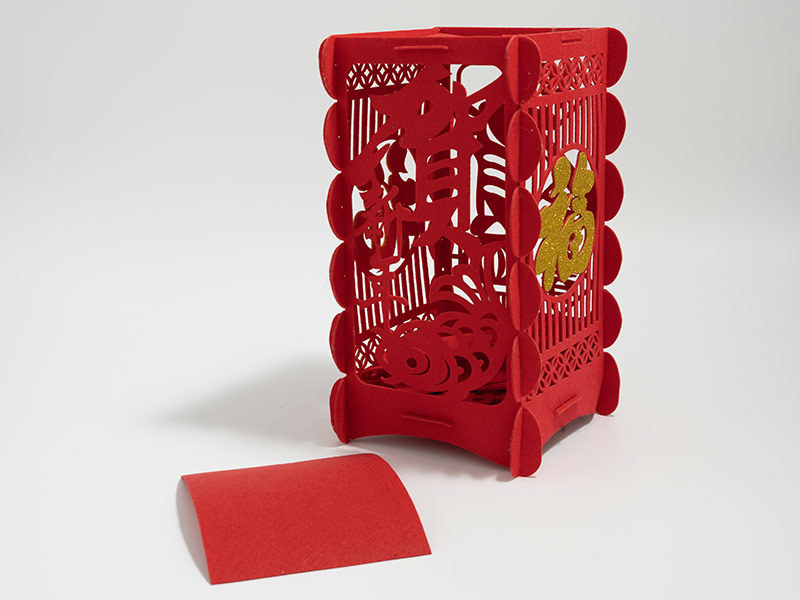
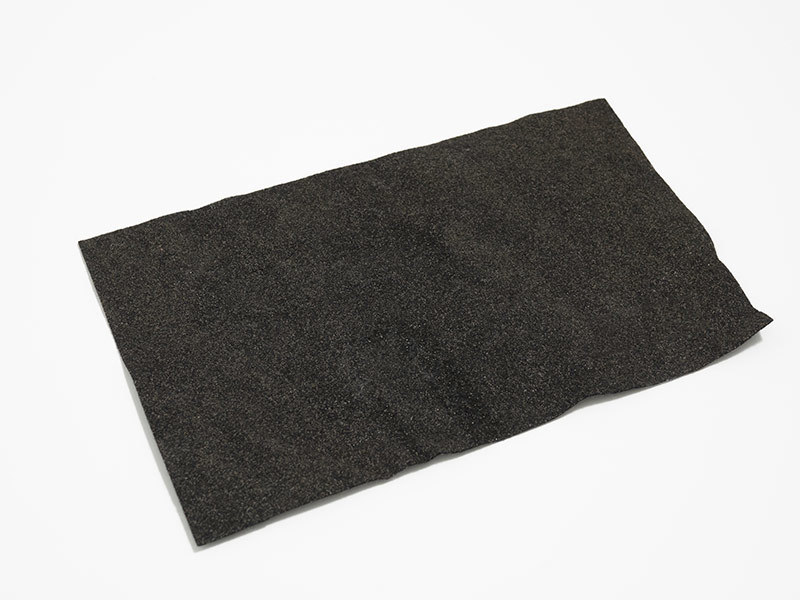
Shapeable nonwoven fabric is an innovative material that offers a multitude of applications across various industries, particularly in textiles. This specialized fabric is engineered to maintain its form and shape, making it an ideal choice for products requiring structural integrity and versatility. Made through a web formation process, nonwoven fabrics are bonded together using physical, thermal, or chemical methods, resulting in a product that is both lightweight and durable.
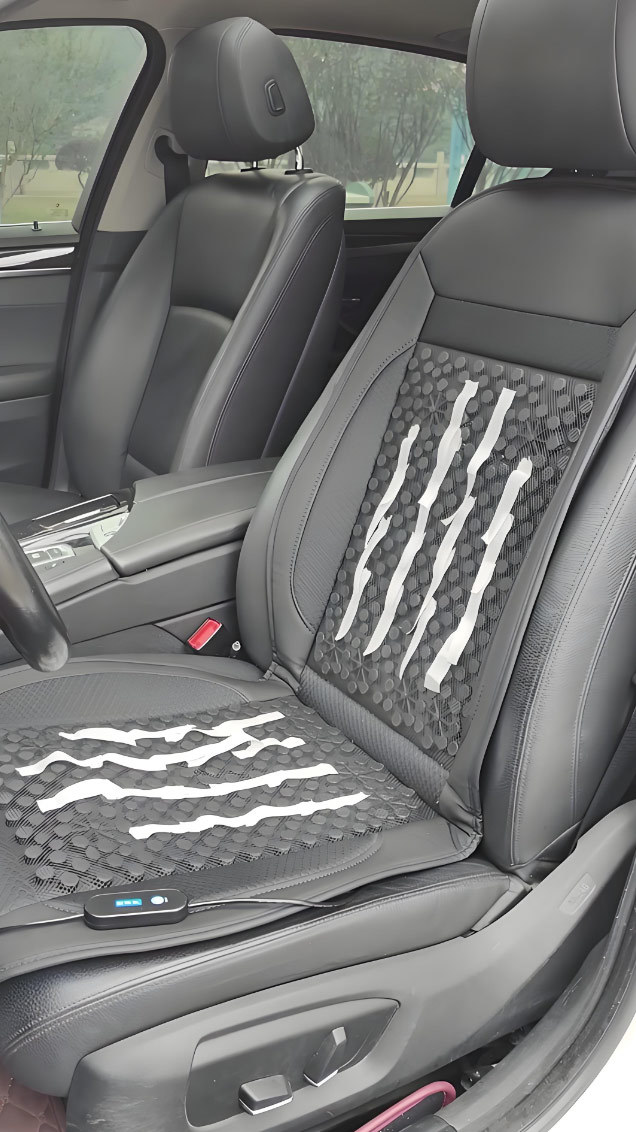
One of the primary advantages of shapeable nonwoven fabric is its ability to be molded into specific shapes without compromising its integrity. This characteristic allows designers to create a variety of products, from intricate components in automotive interiors to customized packaging solutions. For instance, in the automotive industry, shapeable nonwoven fabrics can be used for headliners, insulation, and other components that require a lightweight yet robust material that conforms to specific designs.
In the medical field, shapeable nonwoven fabrics are increasingly used in applications such as surgical drapes, gowns, and other protective gear. These fabrics are designed to provide a barrier against contaminants while ensuring breathability and comfort for the wearer. The ability to shape these materials means they can be tailored to fit various anatomical forms, enhancing their effectiveness and usability.
Furthermore, the environmental benefits of shapeable nonwoven fabric cannot be overlooked. Many of these fabrics are made from sustainable materials, and their manufacturing processes can be designed to minimize waste. This aligns with the growing demand for eco-friendly products across all sectors, making shapeable nonwoven fabric a responsible choice for companies looking to enhance their sustainability practices.
In terms of production, the versatility of shapeable nonwoven fabric allows for a range of techniques to be employed. Manufacturers can utilize advanced methods like needle punching, spunbonding, or meltblowing to create fabrics with varying properties, such as thickness, texture, and strength. This adaptability makes it possible to meet the specific needs of different applications, providing a competitive edge in the marketplace.
As industries continue to evolve, the demand for innovative materials like shapeable nonwoven fabric will likely increase. Companies that embrace this technology can benefit from enhanced product performance, improved manufacturing efficiency, and a stronger market presence.
In conclusion, shapeable nonwoven fabric is a multifaceted material that offers a wide range of applications across several industries. Its unique properties and sustainable aspects make it a valuable resource for professionals looking to innovate and improve their product offerings. By understanding the capabilities of shapeable nonwoven fabric, businesses can position themselves at the forefront of textile advancements.
One of the primary advantages of shapeable nonwoven fabric is its ability to be molded into specific shapes without compromising its integrity. This characteristic allows designers to create a variety of products, from intricate components in automotive interiors to customized packaging solutions. For instance, in the automotive industry, shapeable nonwoven fabrics can be used for headliners, insulation, and other components that require a lightweight yet robust material that conforms to specific designs.
In the medical field, shapeable nonwoven fabrics are increasingly used in applications such as surgical drapes, gowns, and other protective gear. These fabrics are designed to provide a barrier against contaminants while ensuring breathability and comfort for the wearer. The ability to shape these materials means they can be tailored to fit various anatomical forms, enhancing their effectiveness and usability.
Furthermore, the environmental benefits of shapeable nonwoven fabric cannot be overlooked. Many of these fabrics are made from sustainable materials, and their manufacturing processes can be designed to minimize waste. This aligns with the growing demand for eco-friendly products across all sectors, making shapeable nonwoven fabric a responsible choice for companies looking to enhance their sustainability practices.
In terms of production, the versatility of shapeable nonwoven fabric allows for a range of techniques to be employed. Manufacturers can utilize advanced methods like needle punching, spunbonding, or meltblowing to create fabrics with varying properties, such as thickness, texture, and strength. This adaptability makes it possible to meet the specific needs of different applications, providing a competitive edge in the marketplace.
As industries continue to evolve, the demand for innovative materials like shapeable nonwoven fabric will likely increase. Companies that embrace this technology can benefit from enhanced product performance, improved manufacturing efficiency, and a stronger market presence.
In conclusion, shapeable nonwoven fabric is a multifaceted material that offers a wide range of applications across several industries. Its unique properties and sustainable aspects make it a valuable resource for professionals looking to innovate and improve their product offerings. By understanding the capabilities of shapeable nonwoven fabric, businesses can position themselves at the forefront of textile advancements.
Tag:
Recommended news
Unlocking the Potential of Non-Woven Customization in Textile Industry
The realm of non-woven customization presents an array of opportunities for professionals in the textile industry. Non-woven fabrics, unlike traditional woven textiles, are made by bonding fibers together through mechanical, thermal, or chemical means. This unique manufacturing process allows for a myriad of customized solutions that can cater to specific needs across various applications.
One of
Contact Information
Postcode:211400
Address:Tian'an Village, Xinji Town, Yizheng City


QR code
QR
TikTok