

-
-
-
Solution

-
-
Contact Us
Understanding Oil Repellent Non-Woven Fabrics: Innovative Solutions for Diverse Applications
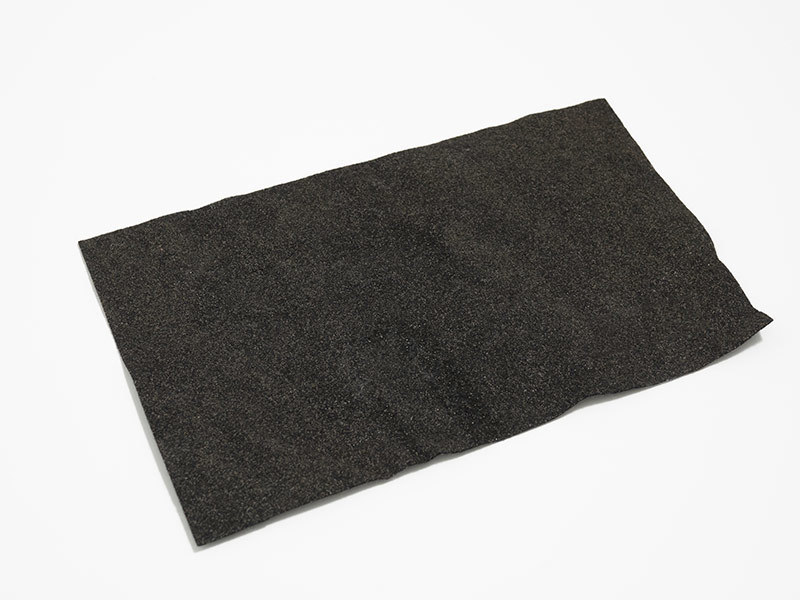
Oil repellent non-woven fabric is a remarkable advancement in the textile industry, designed to resist the penetration of oils and other liquid substances. This type of fabric is characterized by its unique composition and manufacturing process, which allows it to maintain functionality while offering a lightweight and breathable alternative to traditional materials.
The oil repellent feature is achieved through various treatments or the incorporation of specific fibers during the fabric production process. These treatments create a barrier that prevents oil from spreading or soaking into the fabric, making it particularly valuable in environments where spills and stains are a concern. This characteristic is especially beneficial in industries such as automotive, healthcare, food service, and personal protective equipment (PPE), where cleanliness and durability are paramount.
One of the key advantages of oil repellent non-woven fabrics is their versatility. They are commonly used in applications ranging from disposable medical gowns and drapes to protective covers in automotive interiors. Additionally, their lightweight nature and cost-effectiveness make them ideal for single-use products, reducing the need for extensive cleaning and maintenance. This aspect not only saves time and resources but also enhances hygiene and safety.
The manufacturing of oil repellent non-woven fabrics employs various technologies, including spunbonding and meltblowing processes. These methods enable the production of fabrics with specific attributes tailored to different applications. For instance, the combination of polyester and polypropylene fibers can enhance strength and durability, while also providing the oil-resistant properties desired in many industrial applications.
Environmental considerations are also essential when discussing oil repellent non-woven fabrics. Many manufacturers are increasingly focusing on sustainability, using recycled materials and eco-friendly processes in the production of these fabrics. This shift not only helps reduce waste but also appeals to consumers who are becoming more conscientious about their environmental impact.
In summary, oil repellent non-woven fabrics represent a significant innovation in the textile industry, offering a unique blend of functionality and versatility. Their ability to resist oil and other liquids makes them invaluable in various fields, from medical applications to automotive interiors. As technology continues to evolve, we can expect further enhancements in the performance characteristics and sustainability of these textiles, paving the way for even broader applications in the future. By understanding the benefits and uses of oil repellent non-woven fabrics, industries can make informed decisions that enhance their operational efficiency and product performance.
The oil repellent feature is achieved through various treatments or the incorporation of specific fibers during the fabric production process. These treatments create a barrier that prevents oil from spreading or soaking into the fabric, making it particularly valuable in environments where spills and stains are a concern. This characteristic is especially beneficial in industries such as automotive, healthcare, food service, and personal protective equipment (PPE), where cleanliness and durability are paramount.
One of the key advantages of oil repellent non-woven fabrics is their versatility. They are commonly used in applications ranging from disposable medical gowns and drapes to protective covers in automotive interiors. Additionally, their lightweight nature and cost-effectiveness make them ideal for single-use products, reducing the need for extensive cleaning and maintenance. This aspect not only saves time and resources but also enhances hygiene and safety.
The manufacturing of oil repellent non-woven fabrics employs various technologies, including spunbonding and meltblowing processes. These methods enable the production of fabrics with specific attributes tailored to different applications. For instance, the combination of polyester and polypropylene fibers can enhance strength and durability, while also providing the oil-resistant properties desired in many industrial applications.
Environmental considerations are also essential when discussing oil repellent non-woven fabrics. Many manufacturers are increasingly focusing on sustainability, using recycled materials and eco-friendly processes in the production of these fabrics. This shift not only helps reduce waste but also appeals to consumers who are becoming more conscientious about their environmental impact.
In summary, oil repellent non-woven fabrics represent a significant innovation in the textile industry, offering a unique blend of functionality and versatility. Their ability to resist oil and other liquids makes them invaluable in various fields, from medical applications to automotive interiors. As technology continues to evolve, we can expect further enhancements in the performance characteristics and sustainability of these textiles, paving the way for even broader applications in the future. By understanding the benefits and uses of oil repellent non-woven fabrics, industries can make informed decisions that enhance their operational efficiency and product performance.
Tag:
Recommended news
Unlocking the Potential of Non-Woven Customization in Textile Industry
The realm of non-woven customization presents an array of opportunities for professionals in the textile industry. Non-woven fabrics, unlike traditional woven textiles, are made by bonding fibers together through mechanical, thermal, or chemical means. This unique manufacturing process allows for a myriad of customized solutions that can cater to specific needs across various applications.
One of

Contact Information
Postcode:211400
Address:Tian'an Village, Xinji Town, Yizheng City


QR code
QR
TikTok