

-
-
-
Solution

-
-
Contact Us
Exploring the World of Non-Woven Customization: A Guide for Textile Enthusiasts
Non-woven fabrics are an innovative segment of the textile industry, characterized by their unique manufacturing process that involves bonding fibers together rather than weaving or knitting them. This results in a versatile material that offers various properties, making it suitable for numerous applications. Non-woven customization plays a significant role in tailoring these fabrics to meet specific requirements across different sectors such as healthcare, agriculture, automotive, and consumer products.
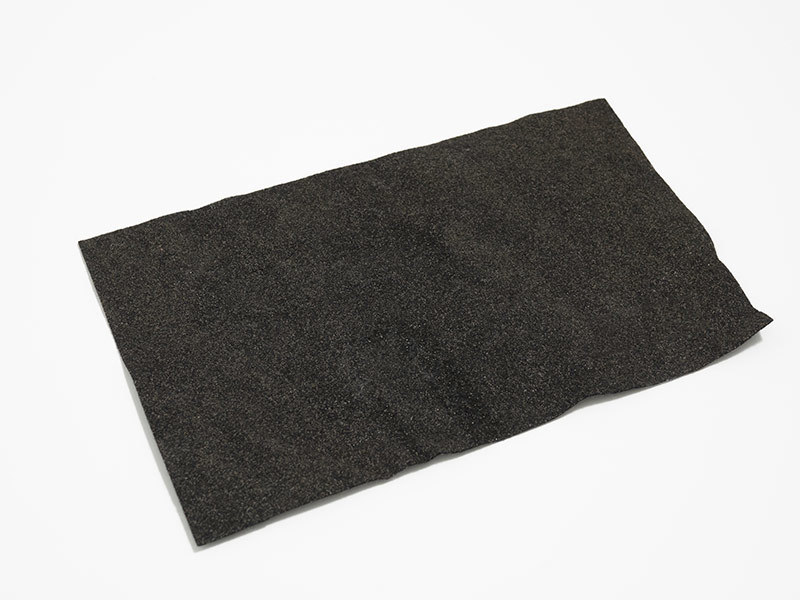
One of the most notable advantages of non-woven fabrics is their ability to be customized for various end uses. The customization process can involve altering the material's weight, thickness, strength, and texture. For instance, in the healthcare industry, non-woven customization is crucial for producing surgical gowns, masks, and other medical supplies that need to meet stringent hygienic and protective standards. The ability to customize these materials not only enhances their functionality but also boosts their performance in critical applications.
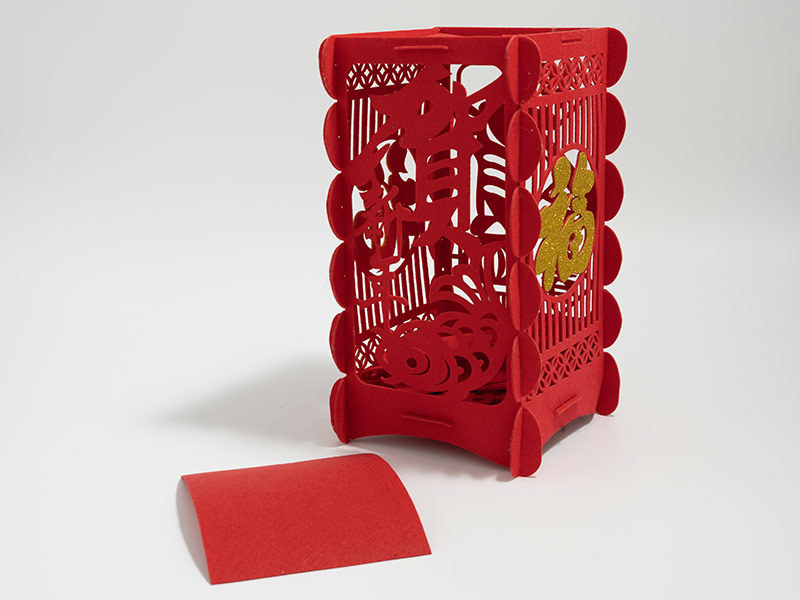
Additionally, non-woven customization allows for unique design possibilities. Companies can incorporate various colors, patterns, and finishes to create distinctive products that cater to branding needs or consumer preferences. For instance, biodegradable non-woven fabrics can be customized with eco-friendly dyes and prints, appealing to environmentally conscious consumers. This aspect of customization makes non-woven fabrics an ideal choice for promotional items, reusable bags, and other consumer goods.
Another significant aspect of non-woven customization is its efficiency in production. The manufacturing process of non-woven fabrics often allows for faster production times compared to traditional woven fabrics. This expedited turnaround can be particularly beneficial for businesses looking to innovate or respond quickly to market demands. By customizing non-woven materials, businesses can create products that are not only efficient to produce but also meet the specific needs of their target audience.
In conclusion, non-woven customization opens up a world of possibilities for various industries. By leveraging the unique properties of non-woven fabrics, businesses can create tailored solutions that enhance their products' performance, appeal, and sustainability. Whether it’s for medical applications, consumer goods, or industrial uses, understanding the benefits and options available in non-woven customization can lead to innovative and effective solutions in the textile industry. As this field continues to evolve, the potential for non-woven customization remains vast, promising exciting developments for manufacturers and consumers alike.
One of the most notable advantages of non-woven fabrics is their ability to be customized for various end uses. The customization process can involve altering the material's weight, thickness, strength, and texture. For instance, in the healthcare industry, non-woven customization is crucial for producing surgical gowns, masks, and other medical supplies that need to meet stringent hygienic and protective standards. The ability to customize these materials not only enhances their functionality but also boosts their performance in critical applications.
Additionally, non-woven customization allows for unique design possibilities. Companies can incorporate various colors, patterns, and finishes to create distinctive products that cater to branding needs or consumer preferences. For instance, biodegradable non-woven fabrics can be customized with eco-friendly dyes and prints, appealing to environmentally conscious consumers. This aspect of customization makes non-woven fabrics an ideal choice for promotional items, reusable bags, and other consumer goods.
Another significant aspect of non-woven customization is its efficiency in production. The manufacturing process of non-woven fabrics often allows for faster production times compared to traditional woven fabrics. This expedited turnaround can be particularly beneficial for businesses looking to innovate or respond quickly to market demands. By customizing non-woven materials, businesses can create products that are not only efficient to produce but also meet the specific needs of their target audience.
In conclusion, non-woven customization opens up a world of possibilities for various industries. By leveraging the unique properties of non-woven fabrics, businesses can create tailored solutions that enhance their products' performance, appeal, and sustainability. Whether it’s for medical applications, consumer goods, or industrial uses, understanding the benefits and options available in non-woven customization can lead to innovative and effective solutions in the textile industry. As this field continues to evolve, the potential for non-woven customization remains vast, promising exciting developments for manufacturers and consumers alike.
Tag:
Recommended news
Unlocking the Potential of Non-Woven Customization in Textile Industry
The realm of non-woven customization presents an array of opportunities for professionals in the textile industry. Non-woven fabrics, unlike traditional woven textiles, are made by bonding fibers together through mechanical, thermal, or chemical means. This unique manufacturing process allows for a myriad of customized solutions that can cater to specific needs across various applications.
One of
Contact Information
Postcode:211400
Address:Tian'an Village, Xinji Town, Yizheng City


QR code
QR
TikTok