

-
-
-
Solution

-
-
Contact Us
The Art of Non-Woven Customization: Tailoring Solutions for Diverse Applications
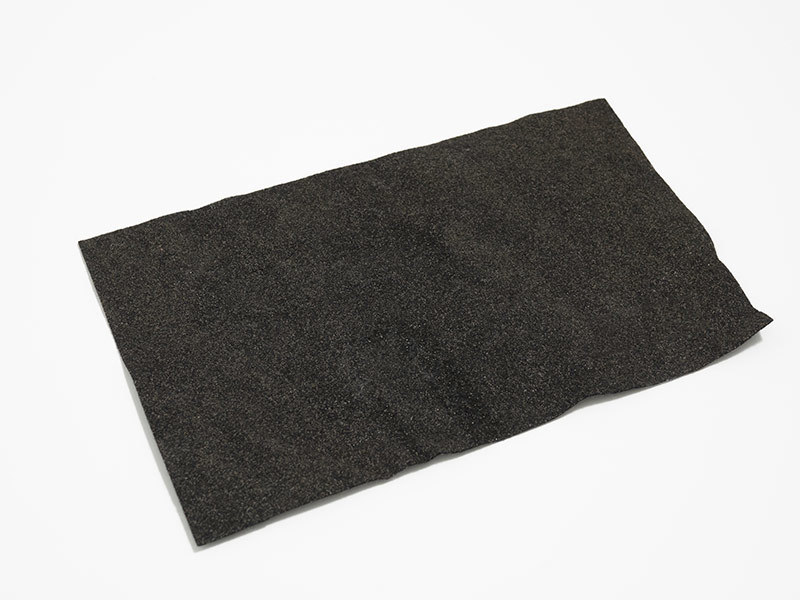
The realm of non-woven customization is a dynamic sector within the textile industry that offers extensive possibilities for creating tailored solutions to meet specific functional and aesthetic demands. Non-woven fabrics, distinct from traditional woven or knitted textiles, are produced by bonding fibers together through various methods such as heat, chemical, or mechanical processes. This results in a versatile material that can be engineered to exhibit specific characteristics such as strength, absorbency, and durability.
One of the primary advantages of non-woven customization is the ability to tailor the fabric's properties to suit particular applications. For instance, in the medical field, customized non-woven materials are used in surgical gowns, drapes, and masks, designed to be both breathable and resistant to fluids. In the agricultural sector, non-woven fabrics can be customized for crop protection, providing a lightweight yet effective barrier against pests and harsh weather conditions.
Another significant benefit of non-woven customization is the potential for enhanced performance. By modifying the fiber composition and the bonding process, manufacturers can create materials that are not only effective but also eco-friendly. Biodegradable options are increasingly popular, as they cater to the growing demand for sustainable products in various industries. This adaptability allows businesses to align their product offerings with environmentally conscious practices, fostering a positive brand image.
When considering non-woven customization, it is crucial to engage with a knowledgeable manufacturer who can provide insights into various customization techniques. Factors to consider include the intended use of the material, desired properties (such as weight, thickness, and color), and regulatory compliance, especially in sectors like healthcare and food safety. The collaboration between designers and manufacturers is vital, as it ensures that the final product meets all specifications while adhering to industry standards.
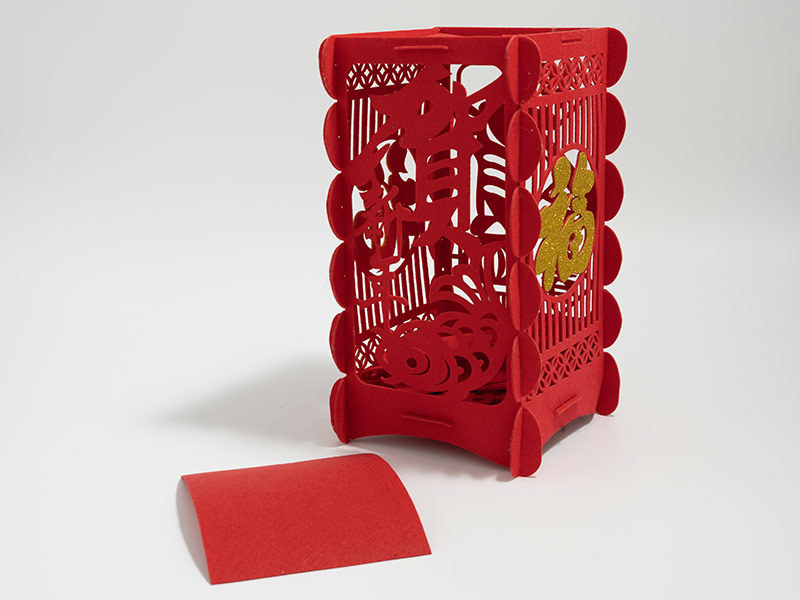
In addition to these practical considerations, the aesthetic aspects of non-woven fabrics should not be overlooked. Customized designs can include various colors, patterns, and textures, allowing brands to differentiate themselves in a competitive market. The visual appeal of a product can significantly impact consumer choice, making customization an essential strategy in branding and marketing.
In conclusion, non-woven customization is a multifaceted process that provides significant advantages across various industries. By understanding the possibilities and engaging with industry experts, businesses can harness the potential of these innovative materials to meet specific requirements, enhance functionality, and provide eco-friendly solutions. Whether for medical, agricultural, or consumer applications, the journey of tailoring non-woven fabrics is an exciting venture into the future of textiles.
One of the primary advantages of non-woven customization is the ability to tailor the fabric's properties to suit particular applications. For instance, in the medical field, customized non-woven materials are used in surgical gowns, drapes, and masks, designed to be both breathable and resistant to fluids. In the agricultural sector, non-woven fabrics can be customized for crop protection, providing a lightweight yet effective barrier against pests and harsh weather conditions.
Another significant benefit of non-woven customization is the potential for enhanced performance. By modifying the fiber composition and the bonding process, manufacturers can create materials that are not only effective but also eco-friendly. Biodegradable options are increasingly popular, as they cater to the growing demand for sustainable products in various industries. This adaptability allows businesses to align their product offerings with environmentally conscious practices, fostering a positive brand image.
When considering non-woven customization, it is crucial to engage with a knowledgeable manufacturer who can provide insights into various customization techniques. Factors to consider include the intended use of the material, desired properties (such as weight, thickness, and color), and regulatory compliance, especially in sectors like healthcare and food safety. The collaboration between designers and manufacturers is vital, as it ensures that the final product meets all specifications while adhering to industry standards.
In addition to these practical considerations, the aesthetic aspects of non-woven fabrics should not be overlooked. Customized designs can include various colors, patterns, and textures, allowing brands to differentiate themselves in a competitive market. The visual appeal of a product can significantly impact consumer choice, making customization an essential strategy in branding and marketing.
In conclusion, non-woven customization is a multifaceted process that provides significant advantages across various industries. By understanding the possibilities and engaging with industry experts, businesses can harness the potential of these innovative materials to meet specific requirements, enhance functionality, and provide eco-friendly solutions. Whether for medical, agricultural, or consumer applications, the journey of tailoring non-woven fabrics is an exciting venture into the future of textiles.
Tag:
Recommended news
Unlocking the Potential of Non-Woven Customization in Textile Industry
The realm of non-woven customization presents an array of opportunities for professionals in the textile industry. Non-woven fabrics, unlike traditional woven textiles, are made by bonding fibers together through mechanical, thermal, or chemical means. This unique manufacturing process allows for a myriad of customized solutions that can cater to specific needs across various applications.
One of
Contact Information
Postcode:211400
Address:Tian'an Village, Xinji Town, Yizheng City


QR code
QR
TikTok