

-
-
-
Solution

-
-
Contact Us
Understanding Oil Repellent Non-Woven Fabric: A Comprehensive Guide
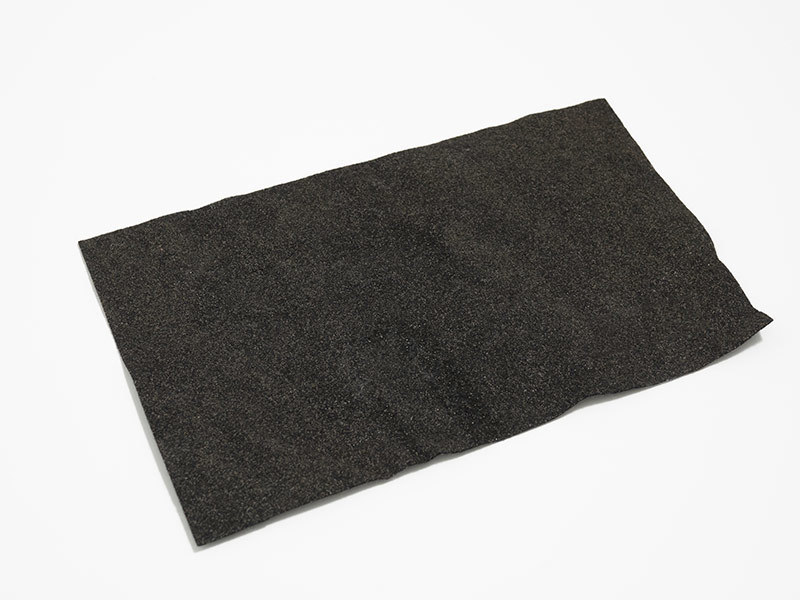
Oil repellent non-woven fabric has emerged as a vital material in various industries, thanks to its unique characteristics that set it apart from traditional textiles. This fabric is engineered to repel oils and other liquids, making it particularly useful in applications where contamination or staining is a concern. The process of creating oil repellent non-woven fabric involves modifying the fibers or treating the finished product with specific chemicals that impart these desirable properties.
One of the primary advantages of oil repellent non-woven fabric is its versatility. Given its resistance to liquids, it is commonly used in sectors such as automotive, medical, and food packaging. For instance, in the automotive industry, it can be found in protective covers and components that need to withstand exposure to oils and greases. In medical applications, it serves as a reliable barrier for surgical drapes and gowns, ensuring that fluids do not compromise sterilization.
In addition to its practical uses, oil repellent non-woven fabric also offers several benefits over traditional fabrics. Its lightweight and breathable nature makes it comfortable for wear in various situations, whether as protective clothing or as part of an industrial application. Furthermore, the non-woven structure allows for efficient production processes, which can lead to reduced manufacturing costs and faster delivery times.
Another critical aspect of oil repellent non-woven fabric is its environmental impact. Many manufacturers are now focusing on sustainable practices, using recycled materials and eco-friendly treatments to create this advanced textile. This shift not only aligns with global sustainability goals but also meets the growing consumer demand for environmentally responsible products.
Maintenance is also an essential factor to consider when working with oil repellent non-woven fabric. While it is designed to resist oils and stains, proper care will extend the lifespan of the material. Most products can be cleaned with mild detergents and water, and it's crucial to follow the manufacturer’s recommendations to maintain their oil-repellent properties over time.
In summary, oil repellent non-woven fabric is a remarkable innovation in the textile industry, offering durability, versatility, and enhanced protection against liquid contamination. Its uses across various sectors demonstrate its importance and adaptability, making it a go-to solution for many applications. Whether you are involved in manufacturing, healthcare, or packaging, understanding the benefits and applications of this fabric can help you make informed decisions that enhance your operational efficiency and product quality.
One of the primary advantages of oil repellent non-woven fabric is its versatility. Given its resistance to liquids, it is commonly used in sectors such as automotive, medical, and food packaging. For instance, in the automotive industry, it can be found in protective covers and components that need to withstand exposure to oils and greases. In medical applications, it serves as a reliable barrier for surgical drapes and gowns, ensuring that fluids do not compromise sterilization.
In addition to its practical uses, oil repellent non-woven fabric also offers several benefits over traditional fabrics. Its lightweight and breathable nature makes it comfortable for wear in various situations, whether as protective clothing or as part of an industrial application. Furthermore, the non-woven structure allows for efficient production processes, which can lead to reduced manufacturing costs and faster delivery times.
Another critical aspect of oil repellent non-woven fabric is its environmental impact. Many manufacturers are now focusing on sustainable practices, using recycled materials and eco-friendly treatments to create this advanced textile. This shift not only aligns with global sustainability goals but also meets the growing consumer demand for environmentally responsible products.
Maintenance is also an essential factor to consider when working with oil repellent non-woven fabric. While it is designed to resist oils and stains, proper care will extend the lifespan of the material. Most products can be cleaned with mild detergents and water, and it's crucial to follow the manufacturer’s recommendations to maintain their oil-repellent properties over time.
In summary, oil repellent non-woven fabric is a remarkable innovation in the textile industry, offering durability, versatility, and enhanced protection against liquid contamination. Its uses across various sectors demonstrate its importance and adaptability, making it a go-to solution for many applications. Whether you are involved in manufacturing, healthcare, or packaging, understanding the benefits and applications of this fabric can help you make informed decisions that enhance your operational efficiency and product quality.
Tag:
Recommended news
Unlocking the Potential of Non-Woven Customization in Textile Industry
The realm of non-woven customization presents an array of opportunities for professionals in the textile industry. Non-woven fabrics, unlike traditional woven textiles, are made by bonding fibers together through mechanical, thermal, or chemical means. This unique manufacturing process allows for a myriad of customized solutions that can cater to specific needs across various applications.
One of
Contact Information
Postcode:211400
Address:Tian'an Village, Xinji Town, Yizheng City


QR code
QR
TikTok