

-
-
-
Solution

-
-
Contact Us
Exploring the Benefits of Non-Woven Customization in the Textile Industry
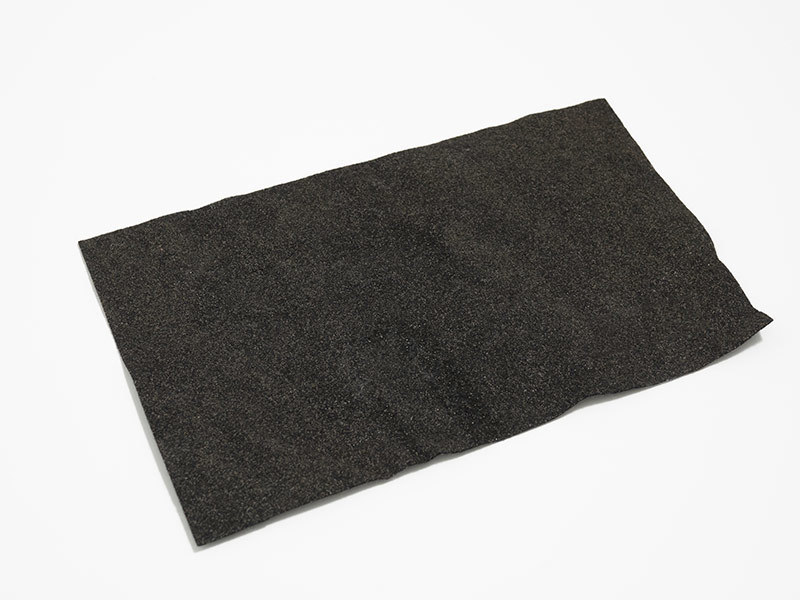
Non-woven customization is an innovative approach in the textile industry, particularly for non-woven fabric applications. This process allows manufacturers to tailor products based on specific requirements, making it an invaluable asset in a variety of sectors, including medical, automotive, and consumer goods. Non-woven fabrics are made through the bonding of fibers, typically using mechanical, thermal, or chemical processes. This results in a versatile material that can be engineered for numerous applications.
One of the primary advantages of non-woven customization is the ability to meet unique performance requirements. Customization can involve altering the thickness, texture, and weight of the fabric, allowing for products that are lighter and more breathable or denser and more durable depending on the application. For instance, in the medical field, customized non-woven fabrics can be designed to improve barrier properties while maintaining comfort, essential for surgical gowns and masks.
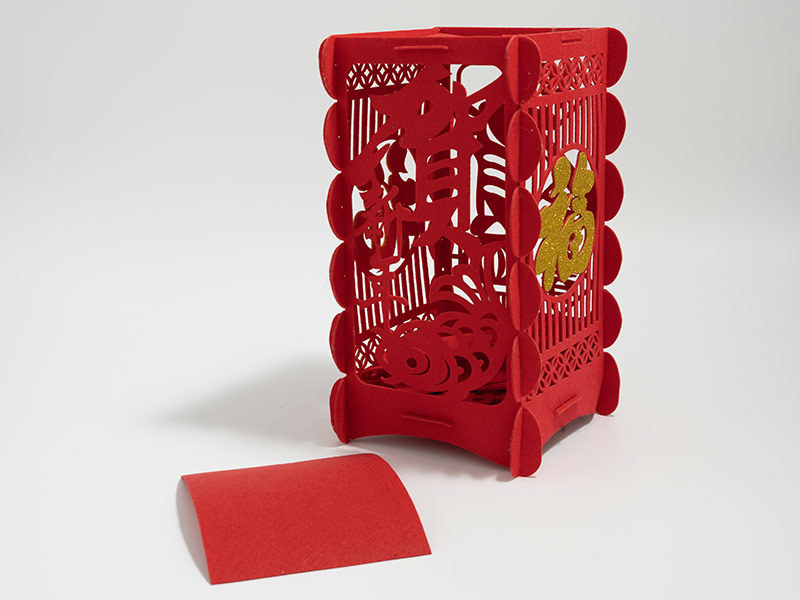
Additionally, customization can enhance the aesthetic appeal of non-woven products. The ability to incorporate various colors, patterns, and finishes means that brands can offer unique products that stand out in a crowded market. This is particularly useful in the fashion and home textiles sectors, where visual presentation is as crucial as functional performance.
Sustainability is another compelling reason to consider non-woven customization. Manufacturers can choose eco-friendly materials and production methods, appealing to a growing base of environmentally conscious consumers. Customized non-woven fabrics can be created from recycled materials or designed to be biodegradable, aligning with global sustainability goals and reducing the environmental footprint of textile products.
Moreover, customization can lead to improved cost-efficiency. By producing non-woven fabrics that are tailored to specific applications, manufacturers can reduce waste and optimize production processes. This not only lowers material costs but also enhances the overall value of the product, offering better margins for businesses.
In terms of market trends, the demand for customized non-woven products is on the rise. As industries evolve and consumer preferences shift, businesses that invest in customization capabilities are likely to gain a competitive edge. Whether it’s developing specialized protective gear for healthcare or creating innovative packaging solutions, the ability to customize non-woven fabrics can unlock new market opportunities.
In conclusion, non-woven customization presents an array of benefits that can significantly enhance product functionality, aesthetics, and sustainability. By harnessing the potential of tailored non-woven fabrics, businesses in the textile industry can not only meet diverse customer needs but also position themselves for future growth in a dynamic marketplace.
One of the primary advantages of non-woven customization is the ability to meet unique performance requirements. Customization can involve altering the thickness, texture, and weight of the fabric, allowing for products that are lighter and more breathable or denser and more durable depending on the application. For instance, in the medical field, customized non-woven fabrics can be designed to improve barrier properties while maintaining comfort, essential for surgical gowns and masks.
Additionally, customization can enhance the aesthetic appeal of non-woven products. The ability to incorporate various colors, patterns, and finishes means that brands can offer unique products that stand out in a crowded market. This is particularly useful in the fashion and home textiles sectors, where visual presentation is as crucial as functional performance.
Sustainability is another compelling reason to consider non-woven customization. Manufacturers can choose eco-friendly materials and production methods, appealing to a growing base of environmentally conscious consumers. Customized non-woven fabrics can be created from recycled materials or designed to be biodegradable, aligning with global sustainability goals and reducing the environmental footprint of textile products.
Moreover, customization can lead to improved cost-efficiency. By producing non-woven fabrics that are tailored to specific applications, manufacturers can reduce waste and optimize production processes. This not only lowers material costs but also enhances the overall value of the product, offering better margins for businesses.
In terms of market trends, the demand for customized non-woven products is on the rise. As industries evolve and consumer preferences shift, businesses that invest in customization capabilities are likely to gain a competitive edge. Whether it’s developing specialized protective gear for healthcare or creating innovative packaging solutions, the ability to customize non-woven fabrics can unlock new market opportunities.
In conclusion, non-woven customization presents an array of benefits that can significantly enhance product functionality, aesthetics, and sustainability. By harnessing the potential of tailored non-woven fabrics, businesses in the textile industry can not only meet diverse customer needs but also position themselves for future growth in a dynamic marketplace.
Tag:
Recommended news
Unlocking the Potential of Non-Woven Customization in Textile Industry
The realm of non-woven customization presents an array of opportunities for professionals in the textile industry. Non-woven fabrics, unlike traditional woven textiles, are made by bonding fibers together through mechanical, thermal, or chemical means. This unique manufacturing process allows for a myriad of customized solutions that can cater to specific needs across various applications.
One of
Contact Information
Postcode:211400
Address:Tian'an Village, Xinji Town, Yizheng City


QR code
QR
TikTok